2026 Top Steel Beams for Global Buyers Guide?
In the evolving construction landscape, steel beams play an indispensable role. According to a report by the World Steel Association, the global steel production reached 1.87 billion metric tons in 2021. This highlights the increasing demand for steel beams due to urbanization and infrastructure projects worldwide. Steel beams are critical in providing structural support and ensuring safety in buildings and bridges.
The international steel beam market is projected to grow significantly. A recent market analysis indicated a compound annual growth rate (CAGR) of 4.5% from 2022 to 2027. However, challenges remain, such as fluctuating prices and supply chain disruptions. Understanding these dynamics is essential for buyers looking to make informed decisions.
Moreover, the quality of steel beams can vary significantly among suppliers. Buyers must prioritize sourcing from reputable manufacturers to avoid potential issues such as structural failures. Clear specifications and standards are critical in this regard. Ultimately, the choice of steel beams can impact the lifespan and safety of any construction project, making informed choices even more vital.
2026 Steel Beam Market Overview for Global Buyers
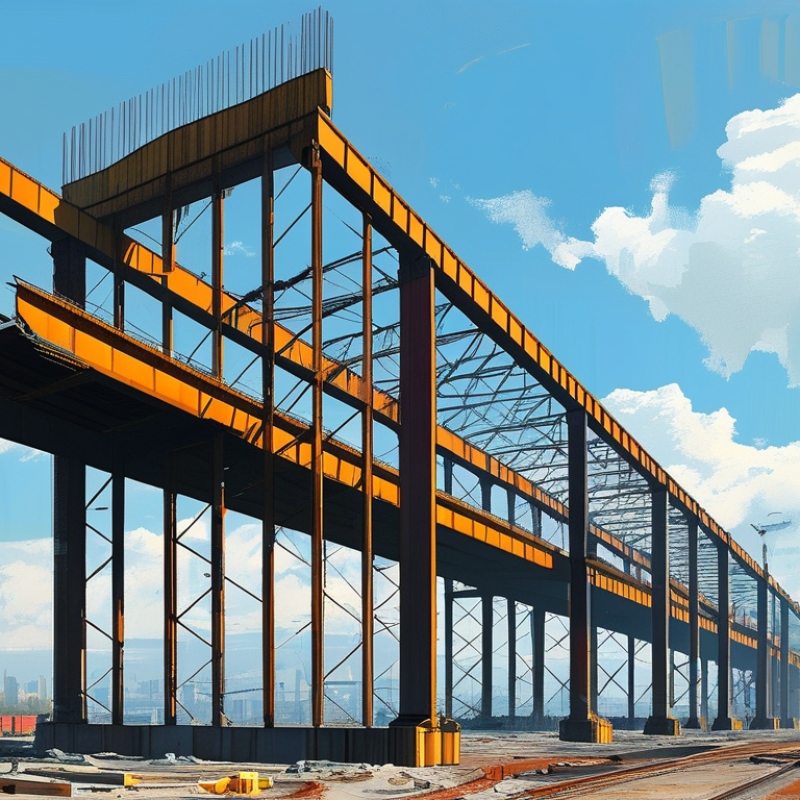
The global steel beam market is experiencing significant changes in 2026. Several factors are influencing this evolution. Market demand remains high, driven by infrastructure development and construction projects worldwide. As nations invest in modernizing their infrastructure, the need for high-quality steel beams is crucial.
Sourcing strategies are evolving as well. Buyers increasingly seek suppliers that offer both reliability and sustainability. Understanding the types and grades of steel beams is key for global buyers. Different projects require specific properties, such as strength and durability. As the market grows, navigating supplier options can become overwhelming. It’s essential to weigh quality against cost while ensuring compliance with various standards.
Additionally, the market's competitive nature often leads to price fluctuations. Buyers must remain vigilant. Maintaining open communication with suppliers can help in negotiations. However, it is not always easy. Market instability may require reinvention of purchasing strategies. Buyers should prepare for unexpected changes and reflect on their plans regularly. Beyond immediate needs, embracing long-term partnerships can lead to better outcomes in the future.
2026 Steel Beam Market Overview for Global Buyers
This chart provides an overview of the expected steel beam market value in billion USD for the year 2026, broken down by quarters. As we can see, the market shows an upward trend, indicating growth opportunities for global buyers.
Key Factors Influencing Steel Beam Selection in 2026
Choosing the right steel beam is critical for structural integrity and cost-effectiveness. In 2026, various factors influence the selection of steel beams. The first is load-bearing capacity. According to recent industry reports, beams must support increased weight due to denser construction materials. Ensuring beams meet these demands requires careful calculation and understanding of environmental factors.
Economics play a vital role as well. Steel prices can fluctuate significantly. In 2022, global demand surged, pushing prices up by nearly 25%. Buyers must stay updated on market trends. Availability also affects decisions. Some regions may face supply chain challenges, impacting lead times. Local regulations must be considered too. Compliance can drive up costs or restrict options.
Environmental factors are increasingly important. Sustainable designs are in demand. Using recycled steel beams can reduce carbon footprints. However, the quality may vary across sources. Buyers often hesitate, fearing compromises in structural integrity. These uncertainties require thorough vetting of suppliers. The right choice balances cost, durability, and environmental impact. It’s a complex decision-making landscape that needs careful navigation.
Top Steel Beam Manufacturers and Their Product Offerings
Choosing the right steel beam manufacturers can shape the success of construction projects. Reliable manufacturers offer a diverse range of steel beams, including I-beams, H-beams, and channels. Understanding each product's specifications is crucial for builders and architects. Many manufacturers provide detailed catalogs online, featuring dimensions, weights, and load capacities.
Quality control is a vital aspect of these manufacturers. Some use advanced technology in their production processes to ensure durability and safety. Regular inspections help maintain high standards. However, not all manufacturers meet the same benchmarks. It is essential to evaluate their certifications and customer feedback for authentic insights.
Pricing can vary significantly among suppliers. Cost-efficient options might sacrifice quality. Buyers should weigh their choices carefully. Focusing solely on prices may lead to disappointing outcomes. Engaging in open communication with manufacturers can clarify product offerings and lead to better decision-making. Not all beams fit every project, so it’s vital to understand specific needs.
Sustainable Practices in Steel Beam Production and Sourcing
The steel industry is evolving towards sustainable practices. Production methods that minimize waste are becoming more common. Many manufacturers are now examining their carbon footprint. Using renewable energy sources in steel production is gaining traction. This shift not only reduces emissions but also promotes energy efficiency.
Steel beam sourcing also embraces sustainability. Companies are prioritizing recycled materials in their supply chains. This approach helps conserve natural resources. However, challenges remain. Maintaining quality while sourcing recycled materials is complex. Standards need to be established to ensure structural integrity.
Sustainable practices require constant evaluation. Stakeholders must reflect on their processes and adapt accordingly. Collaboration among industry players is essential for meaningful change. Investing in innovation can lead to better practices in steel beam production and sourcing. Therefore, the journey towards sustainability is ongoing and requires vigilance.
Trends and Innovations in Steel Beam Technology for 2026
In 2026, advancements in steel beam technology are taking center stage. Innovations focus on improving strength and efficiency. Enhanced manufacturing techniques streamline production. Utilizing high-strength materials boosts load-bearing capacity. These developments cater to modern architectural demands.
Sustainability is a significant trend. Steel beams are being produced with lower carbon footprints. Recyclable materials are increasingly prevalent. This shift reflects growing environmental concerns in construction. However, the cost-effectiveness of these green alternatives remains a question for many buyers.
Smart technology integration is another exciting innovation. Sensors embedded in beams help monitor structural integrity. This proactive approach prevents potential failures. Yet, as with any new technology, the reliability of these systems can vary. Ensuring compatibility with existing structures poses further challenges.