Top 10 Benefits of Wire Steel for Construction and Manufacturing Use?
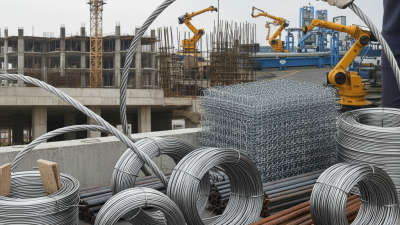
Wire steel has gained prominence in the construction and manufacturing industries. Its strength and versatility make it a popular choice for various applications. This material comes in different forms and sizes, catering to diverse project needs.
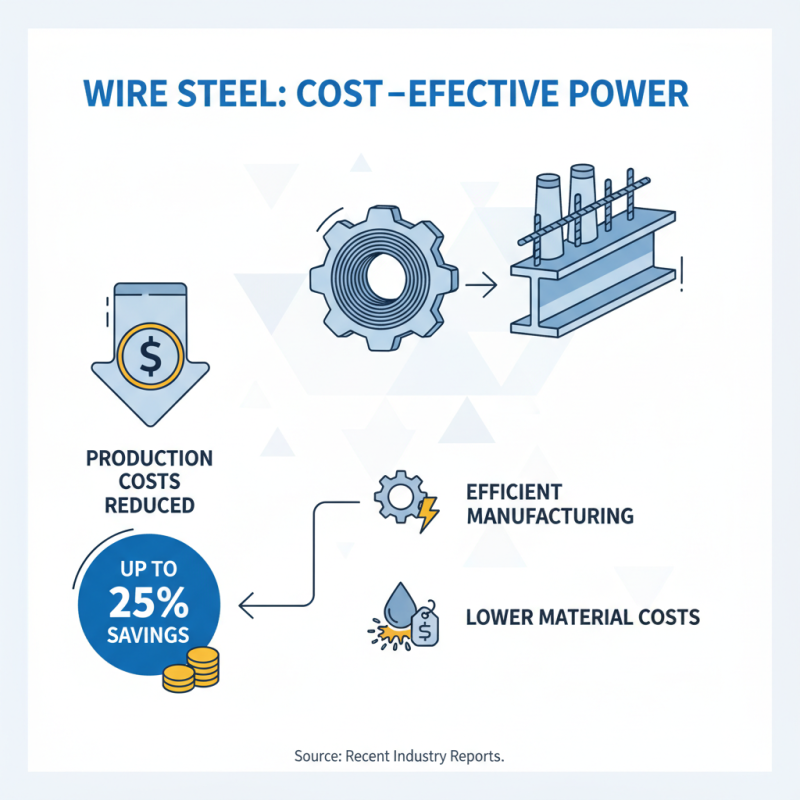
One significant advantage of wire steel is its cost-effectiveness. It provides reliable reinforcement at a lower price compared to other materials. Additionally, wire steel is remarkably durable. This means structures made with this material can endure heavy loads and environmental challenges.
However, using wire steel isn’t without its challenges. Some may overlook the importance of proper installation. Incorrect methods can lead to structural weaknesses. This aspect requires careful consideration. While wire steel offers numerous benefits, the choice of using it should be made thoughtfully, based on project specifications and requirements.
Advantages of Wire Steel in Construction Projects
When considering materials for construction projects,
wire steel stands out for its numerous advantages.
Lightweight yet strong, wire steel is easy to transport and install.
This versatility makes it ideal for various applications, from
concrete reinforcement to meshwork in walls.
Its resistance to corrosion also ensures longevity,
reducing the need for frequent replacements.
In construction, the flexibility of wire steel allows for
creative designs.
Builders can shape it into various forms, adapting to project requirements.
However, the quality of wire steel can vary. It's crucial to ensure
that the material meets industry standards. Using subpar wire could
compromise the integrity of structures.
Again, while wire steel is beneficial,
construction teams must remain vigilant about sourcing and application.
This oversight is essential to maintain
safety and
durability in projects.
Enhanced Durability and Strength of Wire Steel Materials
Wire steel has become a cornerstone in construction and manufacturing. Its enhanced durability and strength make it a go-to material for many applications. According to the American Institute of Steel Construction, wire steel boasts a tensile strength of over 300 ksi. This strength allows structures to resist heavy loads and harsh conditions, making them last longer. Buildings, bridges, and various products benefit significantly from this robustness.
The benefits extend beyond just strength. Wire steel is also lightweight. This property reduces transportation costs and simplifies installation. A report from the Steel Construction Institute highlights that structures using wire steel experience fewer failures than those made with traditional materials. However, not all wire steels are created equal. Selection and sourcing still require careful thought. It’s essential to choose the right grade for the intended use. Flawed or improperly treated wire may lead to unforeseen issues. Material integrity is crucial to ensure the longevity of the construction.
Moreover, wire steel offers adaptability. It can be bent, twisted, or shaped without losing its essential properties. This flexibility allows for innovative designs in various applications. However, this versatility can lead to over-engineering in some cases. Engineers should balance strength with economic efficiency during construction. Achieving this balance remains an ongoing challenge in the industry.
Versatility of Wire Steel in Various Applications
Wire steel is a remarkable material that showcases versatility in construction and manufacturing. Its adaptability makes it suitable for various applications, from reinforcement in concrete to crafting wire mesh for fencing. According to a report by the World Steel Association, the demand for wire steel has increased by over 10% annually in the construction sector. This growth reflects the material's effectiveness in enhancing structural integrity.
The lightweight nature of wire steel facilitates easy transportation and manipulation. This characteristic is particularly beneficial in remote construction sites. Additionally, wire steel's corrosion resistance extends its longevity in harsh environments. It can be coated or treated to withstand different climatic conditions, ensuring durability. However, improper handling during installation can lead to potential weaknesses. That's why proper training for workers is crucial.
Tips: Always check for compliance with local building codes. Adequate knowledge minimizes risks. Regular inspections of wire steel structures can help identify early signs of wear. In a dynamic industry, continuous learning about wire steel usage can pave the way for better project outcomes. This material is not flawless. Sustainable practices should also be considered, as wire production consumes significant energy.
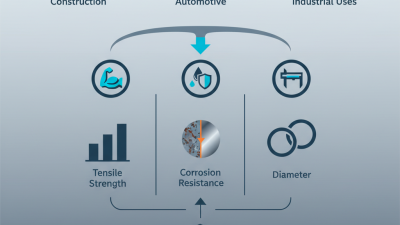
Top 10 Benefits of Wire Steel for Construction and Manufacturing Use
This chart illustrates the various benefits of wire steel in construction and manufacturing, highlighting its versatility and wide range of applications.
Environmental Benefits of Using Wire Steel in Industry
Wire steel is increasingly popular in construction and manufacturing. One significant advantage is its environmental impact. Using wire steel can reduce waste and promote recycling. Since it is made from steel, a material that is infinitely recyclable, it minimizes the need for new raw materials. This helps in conserving natural resources.
In production, wire steel can significantly lower carbon emissions. It takes less energy to produce wire steel compared to other materials. Adopting wire steel reduces the overall carbon footprint of various projects. A cleaner production process is essential as industries seek sustainable methods.
**Tip:** Consider switching to wire steel in your next project. It benefits the environment while also being cost-effective. However, be mindful of sourcing. Not all suppliers prioritize sustainability, so research is vital.
Another point to reflect on: while using wire steel reduces waste, not every project can utilize it effectively. Some specific applications may require alternate materials. Always evaluate the needs of your project, and don't hesitate to experiment with new practices.