Best Cnc Lathe Machine for Precision Machining?
In the realm of precision machining, the right tools are essential. A Cnc Lathe Machine stands out as a key player. It offers versatility and accuracy for various materials and projects. Precision is non-negotiable in industries like aerospace and medical manufacturing. Without it, the results can be disastrous.
Finding the best CNC lathe machine involves evaluating several factors. One must consider the machine’s specifications and its intended use. Not all machines are created equal. Some may lack advanced features or reliability. This can lead to mistakes, wasted time, and increased costs.
Moreover, user experience plays a critical role. Operators need to feel comfortable and confident while using the machine. Training and support are vital. An inadequate understanding can lead to errors. The market is filled with options, but many may not meet expectations. Therefore, careful selection is crucial for achieving precision and efficiency.
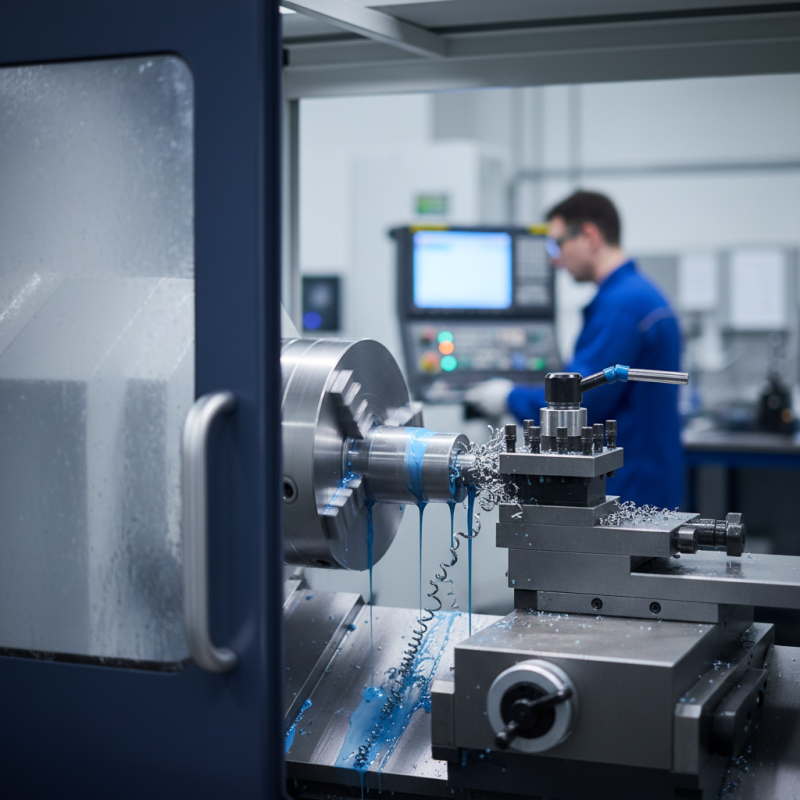
Overview of CNC Lathe Machines and Their Importance in Precision Machining
CNC lathe machines play a crucial role in precision machining. They enable manufacturers to create intricate parts with high accuracy. This technology has revolutionized industries like aerospace, automotive, and medical. According to industry reports, CNC machines can enhance productivity by up to 75%. This efficiency is vital in meeting the demands for fast production times while maintaining quality.
Precision is key in today’s manufacturing landscape. A slight deviation can lead to massive failures in intricate assemblies. For instance, even a 0.01mm error can compromise the performance of aerospace components. Understanding the operational capabilities of CNC lathes is essential for achieving desired outcomes. Many companies still face challenges, such as inadequate training and maintenance, that hinder their machining processes.
Tips: Regularly evaluate your machine’s performance. Train operators effectively to ensure all functions are utilized. Keep machines well-maintained to prevent downtime, as performance can degrade if not monitored constantly. Prioritize time for troubleshooting and reflection on your machining processes. Adjustments can lead to improved precision and overall efficiency.
Key Features to Consider When Selecting a CNC Lathe Machine
Choosing the right CNC lathe machine is crucial for precision machining. Key features to consider include rigidity, accuracy, and reliability. A rigid machine frame helps absorb vibrations, which can affect precision. Look for sturdy materials that ensure stability during operation.
Another important aspect is the type of control system. User-friendly interfaces can make programming easier. However, not all control systems are intuitive. You might find some models hard to navigate. It’s essential to balance between advanced features and usability. Additionally, consider the machine's capability to accommodate various tools. A versatile machine allows for different operations, increasing efficiency.
Power and torque specifications are critical too. A machine with insufficient torque can struggle under heavy loads. This might lead to inconsistent parts. Lastly, maintenance is often overlooked. A complex machine might promise precision but can become a headache. Easy maintenance can save time and costs in the long run. Reflect on these factors as you make your choice.
Types of CNC Lathe Machines for Various Precision Machining Needs
CNC lathe machines are essential for precision machining. They come in various types to meet different manufacturing needs. For example, the two-axis lathe is commonly used for straightforward parts. It allows for the turning of basic geometries. However, it may not suit complex designs. This limits versatility in intricate projects.
Three-axis CNC lathes offer more options. They can handle both diameter and length adjustments efficiently. According to a market report by MarketsandMarkets, the CNC lathe market is expected to grow by over 6% annually. This growth reflects the increasing demand for precision parts in industries like aerospace and automotive. Yet, this machines often require skilled operators. Inadequate training can lead to costly errors.
Multifunctional CNC lathes combine various tools for different operations. They can drill, mill, and turn simultaneously. This feature saves time and reduces production steps. However, operating these machines can be challenging. Users must balance precision with operational efficiency. Even expert machinists may face difficulties adapting to new technologies. Continuous learning is vital in this evolving field.
Top Brands and Models of CNC Lathes for Precision Machining
When it comes to precision machining, selecting the right CNC lathe is crucial. The market offers various models, each with unique features. Some machines excel in speed, while others focus on accuracy. Understanding the specific needs of your project helps narrow down your options.
Different brands have established reputations in this field. They present machines that can handle various materials, from metals to plastics. Some models may boast advanced features like automatic tool changers, which enhance efficiency. However, these advancements come at a cost, and not every business can afford the latest technology.
It’s essential to evaluate what you can realistically implement. A highly advanced CNC lathe may promise precision but could overwhelm operators without proper training. Manufacturers create machines that look user-friendly, but complex interfaces can lead to mistakes. Finding a balance between technology and usability makes a significant difference. Engaging with your team about their preferences can lead to better decisions for your setup.
Maintenance and Operational Best Practices for CNC Lathe Machines
CNC lathe machines are vital for precision machining. Proper maintenance is crucial. Regular inspection of components can prevent costly downtime. Check for wear on tools and replace them as needed. Cleaning the machine regularly helps maintain accuracy. Dust and debris can interfere with operations. Even small particles can lead to defects in machined parts.
Operational best practices can extend the life of your CNC lathe. Ensure your operators are well-trained. A skilled operator can recognize issues early. Consider implementing a consistent monitoring schedule. This helps pinpoint problems before they escalate. Documentation of maintenance activities is also important. It can highlight patterns and areas needing improvement.
Not all processes run smoothly, and that’s okay. Mistakes happen, and learning from them is key. An analysis of failures can reveal weak spots in your routine. It’s essential to continuously refine your practices. After all, precision machining is an art as much as it is a science. Embrace the imperfections as opportunities for growth.
Best CNC Lathe Machine for Precision Machining: Maintenance and Operational Best Practices
