News & Notes

The Blog of
MID-CONTINENT STEEL AND WIRE

What is the Best Industrial Sectional Door for Your Business?

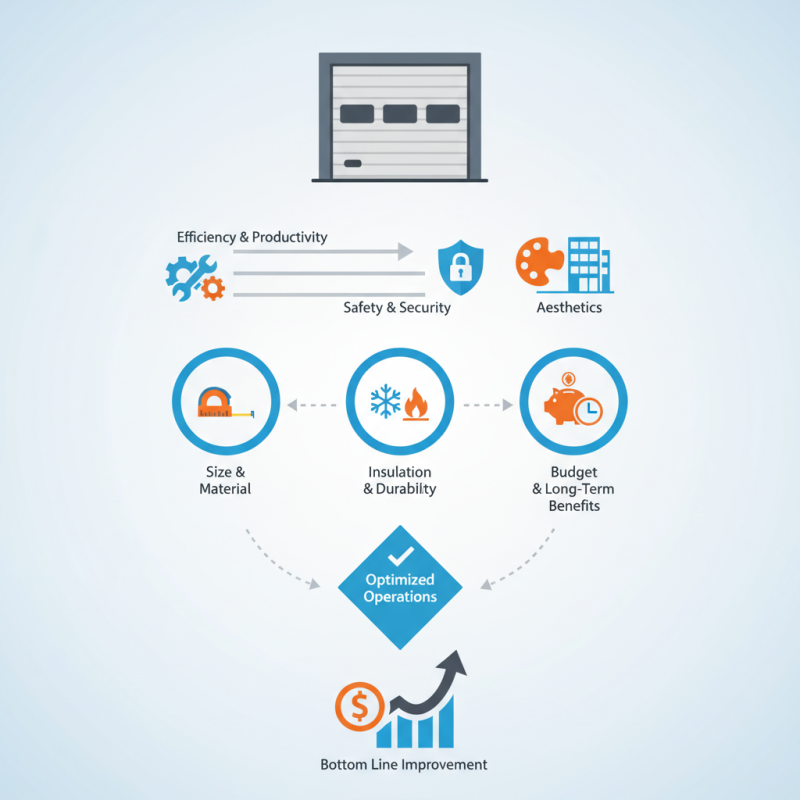
Choosing the right Industrial Sectional Door for your business can be challenging. This decision impacts efficiency, safety, and aesthetics. Each option has unique features that can meet specific needs.

An Industrial Sectional Door provides excellent insulation and durability. It is designed to withstand heavy use, often found in warehouses and manufacturing facilities. A reliable door can enhance your operations by improving workflow. Consider factors like size, material, and insulation properties.

While many options exist, not all doors will be a perfect fit for every business. Reflecting on your operational requirements is crucial. Think about your budget and the long-term benefits of a quality door. Ensuring the right choice can lead to better productivity and security, ultimately benefiting your bottom line.
What is the Best Industrial Sectional Door for Your Business?

Types of Industrial Sectional Doors and Their Applications

Industrial sectional doors come in various types, each designed for specific applications. Automatic doors are commonly used in logistics and distribution centers. They offer quick open and close functions, improving efficiency. These doors typically have sturdy panels and a reliable opening mechanism. They are weather-resistant and often insulate well, maintaining temperature control inside the warehouse.

Another type is insulated sectional doors. These are essential in environments where climate control is critical. They feature layers of insulation to reduce heat loss. This is particularly beneficial for cold storage facilities. The design often includes a tight seal to keep out drafts. Businesses that require reduced energy costs should consider this option seriously.

Lastly, heavy-duty doors are available for high-traffic areas. These doors withstand frequent use without compromising safety. However, their installation can be complex. A minor error can lead to operational problems. Choosing the right type of sectional door depends on your specific needs and environment. Take the time to assess your requirements before making a decision.

Key Features to Consider When Choosing an Industrial Sectional Door

Choosing the right industrial sectional door can significantly impact your business operations. When selecting a door, consider material durability. Steel is a common choice for its strength and resistance to impact. However, lighter materials like aluminum offer ease of use and lower maintenance.

Another essential feature is insulation. A well-insulated door helps maintain internal temperatures, reducing energy costs. Check the R-value of the insulation. Higher R-values mean better thermal efficiency. Also, think about the door's opening speed. Fast-opening doors can enhance workflow but may increase wear and tear.

Safety features should not be overlooked. Look for doors with backup systems. This can prevent accidents during power outages. Additionally, consider the door's operation method. Manual versus automatic operation changes installation complexity and user convenience. Each choice has its pros and cons. Ultimately, assess your specific needs and how each option aligns with them.

Benefits of Different Materials Used in Sectional Doors

Choosing the right material for sectional doors is crucial for any business. Steel, aluminum, and fiberglass are common options. Each material has its own strengths and weaknesses, impacting durability and insulation.

Steel doors are popular for their strength. They can withstand impacts better, which is essential in high-traffic areas. According to a recent industry report, 75% of businesses prefer steel doors for optimal security. However, they can rust if not maintained properly. Regular maintenance is vital.

Aluminum doors offer lighter weight and corrosion resistance. They are less prone to dents, making them suitable for various environments. Research indicates that aluminum doors provide better thermal performance in milder climates. Yet, they might lack the same level of security that steel provides.

Fiberglass doors combine good insulation with aesthetic appeal. They resist moisture and are less likely to warp. Still, they can be more susceptible to cracks in extreme temperatures. The choice of material should reflect specific business needs, weighing both performance and maintenance concerns.

Factors Influencing the Cost of Industrial Sectional Doors

When considering industrial sectional doors for your business, several factors influence their cost. The size of the door is a significant determinant. Larger doors typically require more materials and engineering, thus increasing the price. It's essential to evaluate the space you have available before making a decision.

Material selection also plays a critical role. Steel doors tend to be more durable but also more expensive than other options like fiberglass or aluminum. Think about your facility's needs and how much wear and tear the door will face. In high-traffic areas, investing in a robust door may save you costs in the long run.

Tips for choosing the right door include considering energy efficiency and maintenance needs. An energy-efficient door can lower heating and cooling costs. Additionally, opt for designs that require minimal upkeep. Reflect on the long-term benefits of different styles. Investing a bit more upfront could lead to lower expenses later on.

Maintenance Tips for Longevity of Industrial Sectional Doors

Industrial sectional doors are crucial for many businesses. Regular maintenance keeps them in top condition. Start by cleaning the door tracks. Dust and debris can affect performance. Use a brush or vacuum to remove build-up. This small step makes a big difference.

Check the door’s weather seals. They can wear out over time. Replace any damaged seals to improve energy efficiency. This helps maintain the internal environment and reduces heating or cooling costs. Inspect hinges and rollers regularly. Lubricate them to prevent squeaking or sticking. Neglecting this can lead to costly repairs.

Perform an annual inspection with a professional. They can spot issues you might miss. Regular checks increase the door’s lifespan. Address problems before they escalate. Remember, maintenance is not just about fixing issues. It’s about preserving functionality and ensuring safety. Prioritize these simple steps for long-lasting industrial sectional doors.
