Best Steel Products to Buy in 2026 and Why You Need Them?
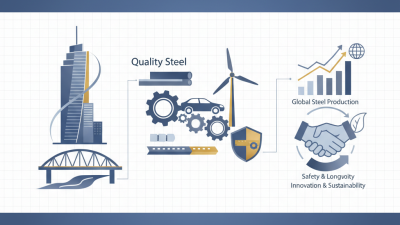
In the competitive landscape of construction and manufacturing, choosing the best steel products is crucial for success in 2026. Steel products form the backbone of countless industries, contributing significantly to infrastructure and innovation. According to a report by the World Steel Association, global steel demand is projected to reach around 1.8 billion tons by 2026. This surge highlights the necessity for premium steel products.
Industry expert Dr. Lisa Chen emphasizes, "Investing in high-quality steel products can determine the longevity and safety of a project." Her insight underlines the importance of selecting steel that meets specific standards. Poor quality steel can lead to structural failures, incurring costs that far exceed initial savings.
As the market evolves, the focus will be on sustainability and efficiency. Steel production processes are becoming greener, and products that meet these standards will be in high demand. However, one must not overlook the challenges. Deciding which products to invest in requires careful consideration. While options are plentiful, the less transparent supply chains can muddy the decision-making process. Balancing cost and quality remains essential for every project manager.

Top Steel Products Predicted to Dominate the Market in 2026
The steel market is poised for significant changes in 2026. Key products are expected to dominate, influencing various industries. One standout category is high-strength steel. This steel is lighter yet sturdier, making it ideal for automotive and aerospace applications. Using less material for the same strength leads to improved fuel efficiency and lower emissions.
Another predicted favorite is weathering steel. This product requires minimal maintenance due to its corrosion-resistant properties. It’s perfect for outdoor structures, such as bridges and buildings. This durability can ultimately save money and effort over time. However, designers often overlook it until they see the cost benefits.
Stainless steel also remains vital. Its versatility allows for a broad range of uses, from kitchenware to industrial equipment. People often underestimate its longevity and resistance to rust. It’s a choice that can pay off in the long run. Still, some might hesitate due to the initial investment. Decisions like these require careful consideration and insight into the future needs of the market.
Key Features and Specifications to Look for in Steel Products
When looking for steel products, key features matter greatly. Strength is paramount. High tensile strength ensures durability in construction and manufacturing. Look for products that can withstand heavy loads and resist deformation. Corrosion resistance is another vital specification. Products made with alloys or special coatings last longer in harsh environments.
Consider the design and dimensions carefully. Steel products come in various shapes and sizes. These features define their suitability for different applications. Whether beams, sheets, or rods, the right dimensions are crucial. Additionally, surface finish affects not only aesthetics but also functionality. A smooth finish often enhances corrosion resistance.
Price can be tempting, but don’t compromise on quality. Sometimes lower-cost options may lack essential features. This leads to repairs or replacements, which are costly and time-consuming. Reflect on the actual needs. Make a checklist and avoid getting swayed by marketing. Focus on producing long-lasting solutions that really meet your requirements.
Best Steel Products to Buy in 2026
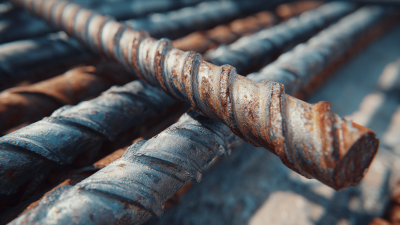
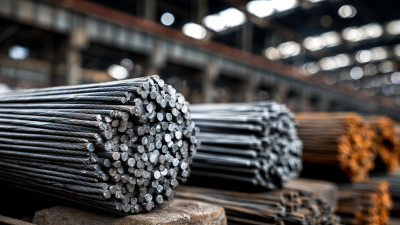
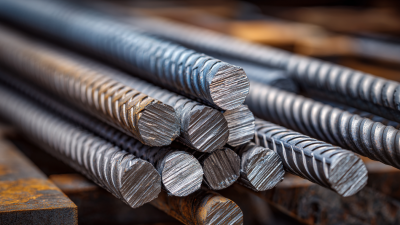
As we look to 2026, the demand for various steel products is projected to grow significantly, with steel rebars being the most in-demand product due to increased construction activities. Each type of steel product has its unique applications and specifications that should be considered when making purchasing decisions.
Reasons for Choosing Steel Products: Durability, Sustainability, and Cost
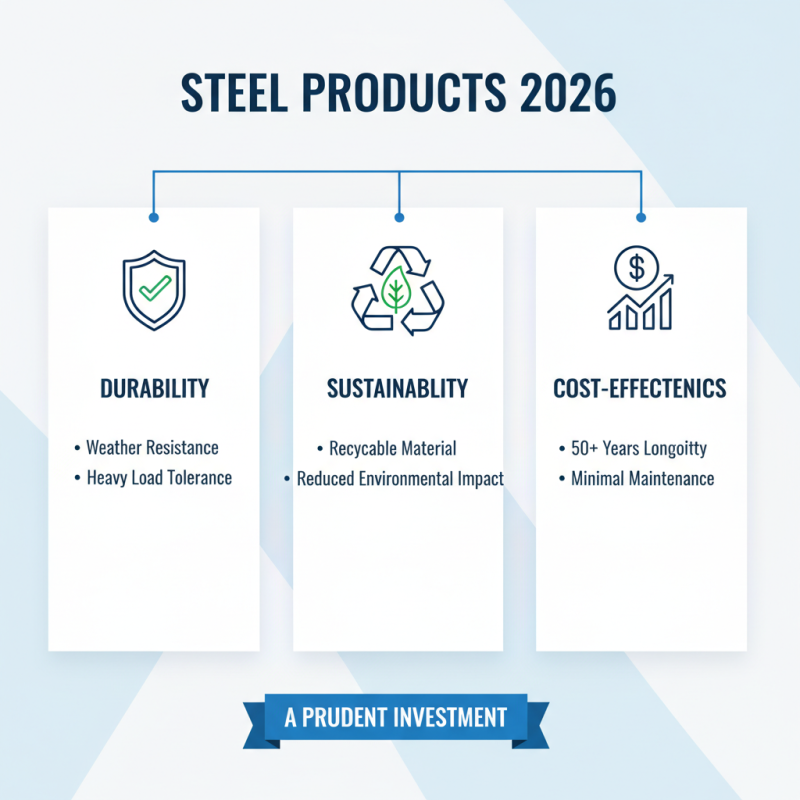
When considering steel products in 2026, durability, sustainability, and cost are key factors. Steel is known for its long-lasting nature. It can withstand harsh weather conditions and heavy loads. Reports indicate that steel structures can last over 50 years with minimal maintenance. Such longevity makes steel a prudent investment.
From a sustainability perspective, steel is highly recyclable. Nearly 80% of steel is made from recycled materials. This reduces energy consumption by up to 75% compared to producing new steel. Many industries are adopting steel for its lower carbon footprint. Recent studies show that using recycled steel can cut greenhouse gas emissions significantly.
Tip: Always check the source of your steel. Recycled steel generally has a smaller environmental impact.
Cost is also a crucial consideration. Steel prices can fluctuate due to market dynamics. However, its long lifespan and low maintenance make it economical in the long run. Some products, like stainless steel, may cost more upfront. Despite this, their durability can lead to lower replacement costs.
Tip: Research current steel prices before making large purchases. Economic trends can determine the best times to buy.
Emerging Technologies Impacting the Steel Industry by 2026
The steel industry is on the brink of transformation driven by emerging technologies. By 2026, innovative methods are expected to redefine steel production. For instance, automation and artificial intelligence will streamline operations, reducing waste and increasing efficiency. These technologies promise to cut costs, but can also pose risks if not implemented carefully.
Sustainability initiatives are gaining momentum too. The rise of green steel, produced with less carbon footprint, reflects a critical shift. But achieving this balance remains a challenge. Numerous companies face difficult choices between profitability and environmental responsibility.
Blockchain is also making waves in the steel sector. It ensures traceability in the supply chain, enhancing transparency for consumers. However, the integration of such technology needs meticulous planning. Issues like data security must be addressed to prevent potential failures. The path forward in steel will certainly involve brainpower and adaptation in every part of the industry.
Market Trends and Consumer Preferences Shaping Steel Product Demand
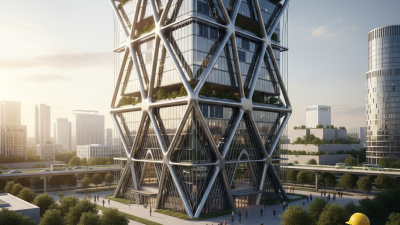
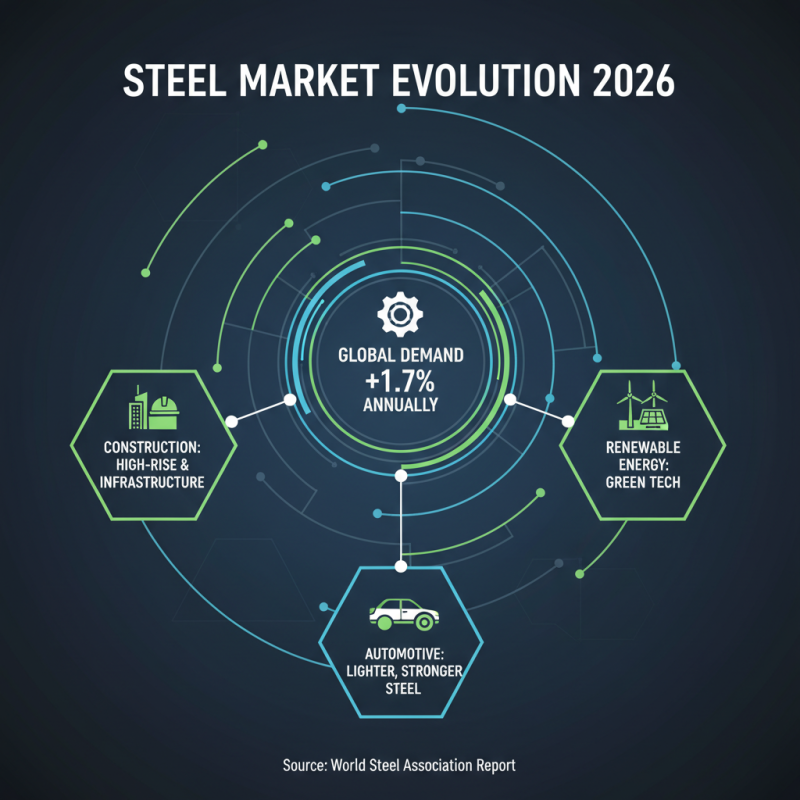
The steel market is evolving rapidly. In 2026, demand will be heavily influenced by trends in construction, automotive, and renewable energy sectors. A report from the World Steel Association shows that global steel demand is expected to grow by 1.7% annually, driven largely by infrastructure projects. In urban centers, high-rise buildings are still in vogue. They require advanced steel products that offer strength and durability.
Consumer preferences are shifting towards sustainability. Many buyers now prefer products with lower carbon footprints. About 60% of consumers are willing to pay a premium for eco-friendly steel options, according to recent surveys. This trend indicates a need for manufacturers to adapt. There is pressure to innovate while maintaining cost-effectiveness. Traditional methods may no longer suffice.
While the steel industry faces challenges, it also presents opportunities. The rise of smart technologies and automation creates a demand for specialized steel grades. However, there remains a gap in skilled labor. This imbalance may hinder growth in some regions. Companies will need to invest in training and development to address these issues. Growth is possible, but not without room for improvement.