News & Notes
The Blog ofMID-CONTINENT STEEL AND WIRE

Choosing the right industrial rebar for your project can significantly impact its success. This decision requires careful consideration and knowledge. Industrial rebar is essential for providing strength and stability to concrete structures.
There are many types of industrial rebar available, each designed for specific applications. It’s crucial to understand your project's requirements before making a choice. Factors such as size, strength, and corrosion resistance can affect performance.
Some may overlook these details, leading to costly mistakes. Choosing the wrong industrial rebar can weaken the structure or result in future repairs. Take the time to research and evaluate options thoroughly. Your project deserves the right materials for lasting results.
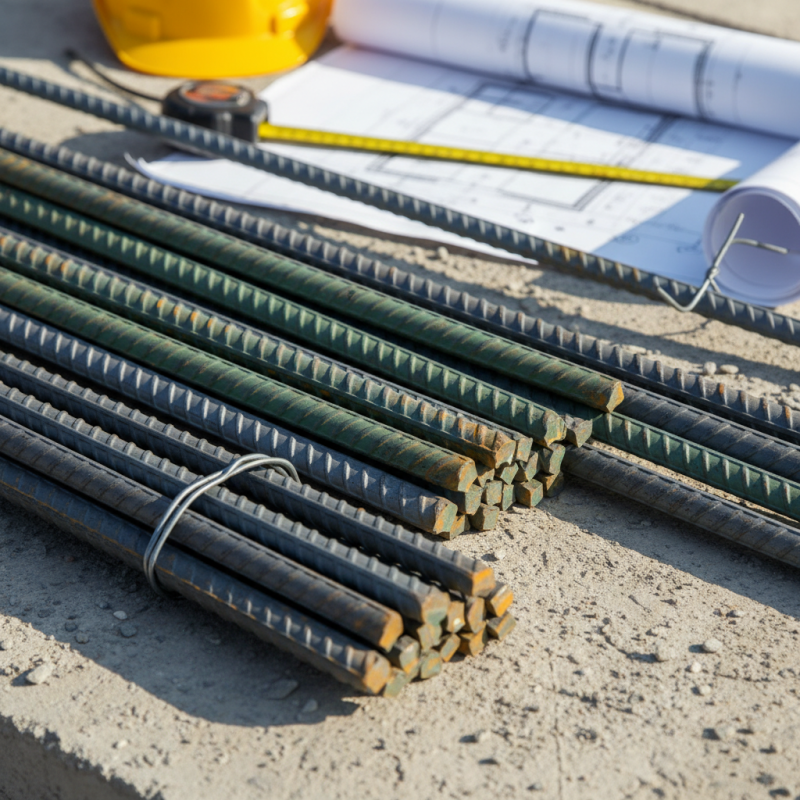
When choosing industrial rebar, it's crucial to understand the different types and their applications. Steel rebar is commonly used for concrete reinforcement. Its strength and durability make it suitable for various construction projects, from bridges to buildings. For projects exposed to harsh environments, epoxy-coated rebar can be an excellent choice. This coating protects against corrosion, extending the rebar's lifespan.
Consider the size and grade of the rebar. Higher grades offer better performance but may come at a higher cost. Sometimes, it can be tempting to go for cheaper options. However, this could lead to structural issues in the future. Always align your selection with the project specifications.
When selecting rebar, remember to account for the available space. Larger diameter bars provide more strength, but they also require wider spacing. If space is limited, smaller rebar may fit better but might compromise strength. Evaluating project-specific needs is essential. Don't overlook these details; they can significantly impact the success of your construction. Each choice matters. Take time to reflect on the long-term implications of your decisions.
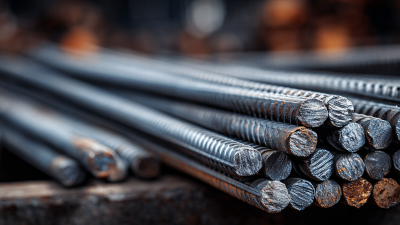
When choosing industrial rebar for construction projects, evaluating quality and standards is crucial. Not all rebar is created equal. Look for options that meet established guidelines. Certifications can indicate compliance with industry standards. Engaging with a knowledgeable supplier can provide insights into the material's strength and durability.
Pay attention to the specifications. Different projects may require varying grades of rebar. Lower grades might save money upfront but could compromise overall structural integrity. This could lead to higher costs down the line. Understanding the project's unique requirements is essential.
Inspect the rebar physically when possible. Look for visible defects like rust or deformities. Such issues can reduce load-bearing capacity. Consulting engineers or industry experts can provide additional perspective. They can help identify subpar materials. The decision should never be rushed. Take time to assess quality thoroughly.
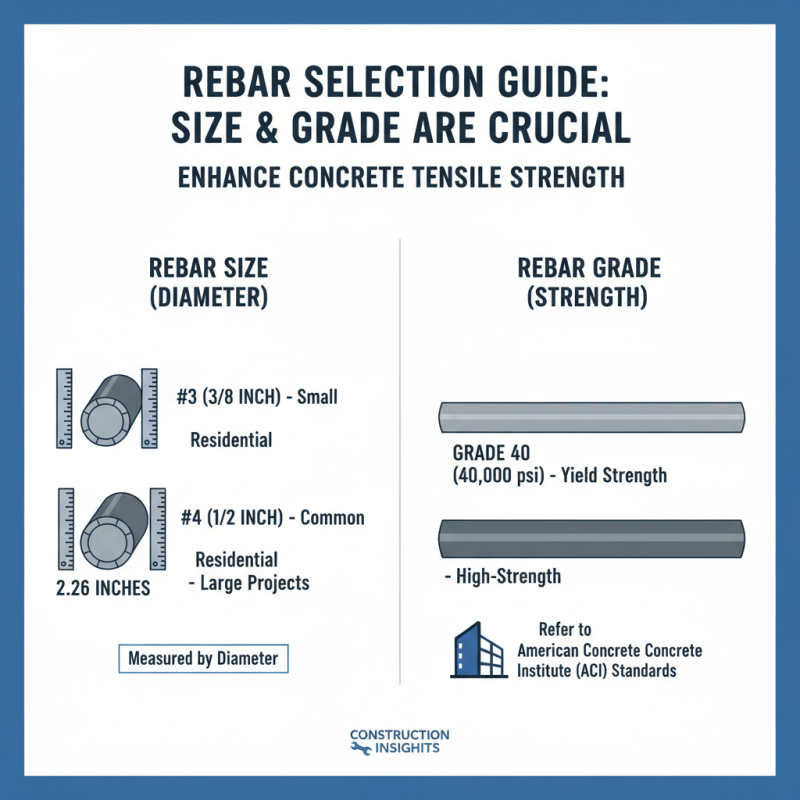
When selecting rebar for your construction project, size and grade are crucial. The size of rebar is designated by its diameter, which typically ranges from #3 (3/8 inch) to #18 (2.26 inches). For most residential applications, #4 (1/2 inch) rebar is common. However, larger projects often require larger sizes. According to the American Concrete Institute, properly sizing rebar can enhance the tensile strength of concrete structures.
Choosing the correct grade is equally important. Rebar grades range from Grade 40 to Grade 75, indicating the yield strength measured in thousands of pounds per square inch. For example, Grade 60 (60,000 psi) is the most commonly used in many projects. Notably, using a higher grade than needed can bring extra costs without significant benefits. A study by the National Association of Home Builders points out that overspecifying rebar can lead to unnecessary expenditures.
One should also consider the environment. Not all rebar is suitable for every climate. In coastal areas or places with high chloride exposure, epoxy-coated rebar might be necessary to prevent corrosion. Awareness of local building codes is critical. Sometimes, these codes dictate specific sizes and grades. Choosing correctly requires more than just a simple decision; it demands careful planning and reflection on project needs.
When selecting industrial rebar, corrosion resistance is crucial. According to a recent study by the Concrete Reinforcing Steel Institute, about 40% of all infrastructure failures result from corrosion. This is especially problematic in coastal areas, where salt exposure accelerates deterioration. Choosing rebar with specific coatings or using stainless steel options can significantly extend the lifespan of your project.
Environmental factors also play a critical role in rebar selection. For instance, regions with high humidity or exposure to chemicals require different materials than those in arid climates. A report from the National Association of Corrosion Engineers suggests that inadequate rebar choice can lead to repair costs exceeding $1 billion annually in the U.S. alone. This serves as a reminder to assess local conditions before making a decision.
Moreover, while high-quality materials may seem more costly upfront, they save money in the long run. Compromising on quality can lead to structural weaknesses that may not be visible initially. Each project is unique; understanding local environmental challenges is key to making informed decisions. Keep these factors in mind when selecting rebar to truly benefit from durability and safety.
This chart illustrates the corrosion resistance levels of various types of rebar commonly used in industrial projects. The resistance ratings are based on industry standards, reflecting how well each type withstands environmental factors.
When comparing costs for industrial rebar, it's essential to gather quotes from multiple suppliers. Prices can vary significantly based on location and availability. Understanding local market trends often helps in negotiating better rates. Check for hidden fees that suppliers might include in their quotes. Being aware of these aspects can save a substantial amount on large projects.
Supplier reliability is equally important. A low price isn’t useful if the supplier cannot deliver on time. Research their history and project timelines. Ask previous clients about their experiences. Consider the quality of materials they provide, too. Sometimes cheaper options lead to future complications.
It can be tricky to balance cost and quality. Keep track of what you need versus your budget. Weigh the pros and cons of each option. Is saving a few dollars worth the potential delays? Reflect on the project's scale and complexity. Always think long-term for your procurement strategy.
| Tip Number | Tip Description | Cost Consideration | Supplier Comparison Criteria |
|---|---|---|---|
| 1 | Determine the required grade and diameter based on project specifications. | Higher grades may cost more but offer better tensile strength. | Quality assurance certifications and compliance with local codes. |
| 2 | Evaluate the total material costs including transportation. | Consider delivery charges for distant suppliers. | Delivery timeframes and capacity to meet project deadlines. |
| 3 | Consider the option of bulk purchasing for discounts. | Bulk orders can reduce per unit costs significantly. | Minimum order requirements and pricing structures. |
| 4 | Assess the supplier's reputation and experience in the industry. | Reliable suppliers may charge more but ensure quality. | Customer reviews and past project outcomes. |
| 5 | Inspect the delivery logistics and time efficiency. | Allow time for potential delays that could incur costs. | Availability of stock and proximity to your location. |
| 6 | Check for any warranties or guarantees offered. | A good warranty can save future costs related to defects. | Terms and conditions of the warranty policy. |
| 7 | Review the manufacturing process and standards of quality control. | Higher quality processes might cost more upfront. | Certifications and audit reports from third-party inspectors. |
| 8 | Explore alternative materials that may fit your project's needs. | Some alternatives can be more cost-effective. | Availability and compatibility with construction requirements. |
| 9 | Negotiate for better rates and flexible payment terms. | This can impact the overall budget and cash flow. | Supplier flexibility and responsiveness during negotiation. |
| 10 | Ensure compliance with local construction standards and regulations. | Non-compliance can lead to costly project delays. | Local regulations regarding material specifications and sourcing. |
If you need more information about our products or you can’t find what you are looking for, please reach us via our contact form and we will get back to you as soon as possible.
© 2022 MID-CONTINENT STEEL AND WIRE, ALL RIGHTS RESERVED | PRIVACY POLICY | PRIVACY POLICY – CALIFORNIA