Best 10 Rebar Steel Uses for Construction Projects?
Rebar steel is essential in modern construction. It strengthens concrete and improves structural integrity. Various projects utilize rebar steel effectively. This material enhances the durability of buildings, roads, and bridges. It is particularly crucial in areas that face extreme weather conditions.
Construction experts recommend specific uses for rebar steel. It acts as a backbone, holding structures together. This construction staple helps distribute load evenly. Despite its importance, some overlook its critical role. Without proper reinforcement, structures risk failure and safety hazards arise.
Using rebar steel also involves challenges. Builders must select appropriate types and sizes for their projects. Poor choices can lead to costly repairs. Each project's unique requirements demand careful planning and expertise. A thoughtful approach to rebar steel usage can lead to lasting and reliable structures.
Introduction to Rebar Steel in Construction Projects
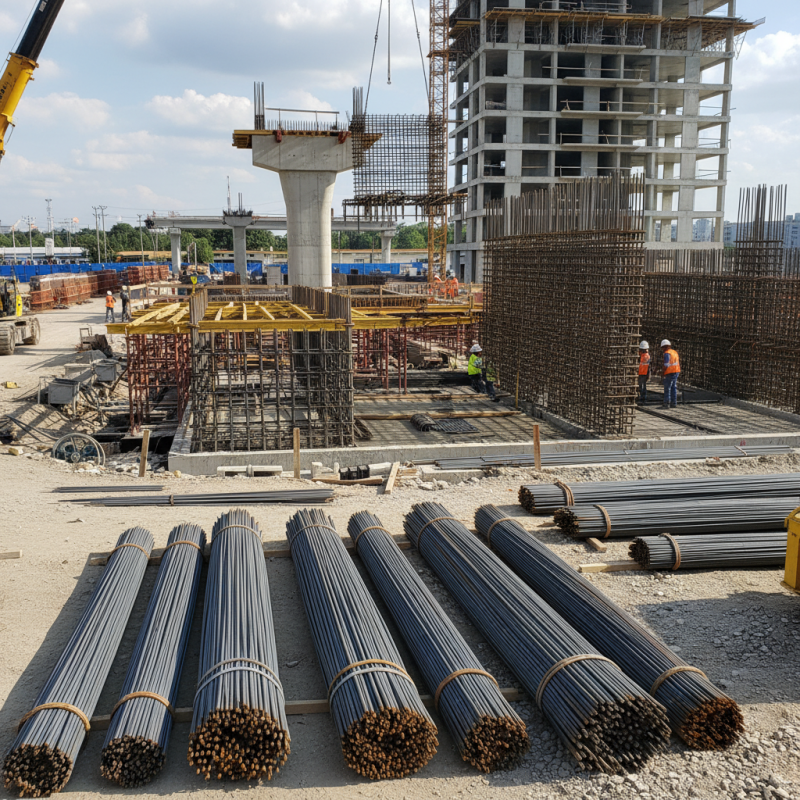
Rebar steel plays a critical role in construction projects. It reinforces concrete, helping structures withstand tension and shear forces. According to industry reports, over 80% of concrete structures use rebar. The combination of concrete's compressive strength and rebar's tensile strength makes this duo essential for buildings, bridges, and roads.
Traditionally, rebar is made from carbon steel, providing durability. However, its production is energy-intensive. The steel industry accounts for 7% of global carbon dioxide emissions. This raises questions about sustainability and the need for greener alternatives. Additionally, the steel can corrode under certain environmental conditions, necessitating careful planning and maintenance.
Despite its benefits, rebar use is not without challenges. Installation requires skilled labor, which may not always be available. Moreover, improper handling can lead to injuries on site. To enhance safety, training and adherence to best practices are crucial. The construction industry must continuously improve methods and materials to address these issues effectively.
Key Properties of Rebar Steel for Structural Integrity
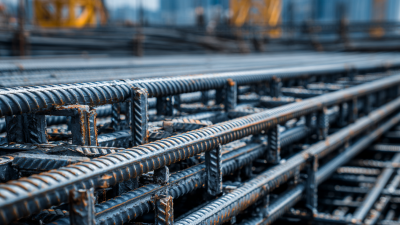
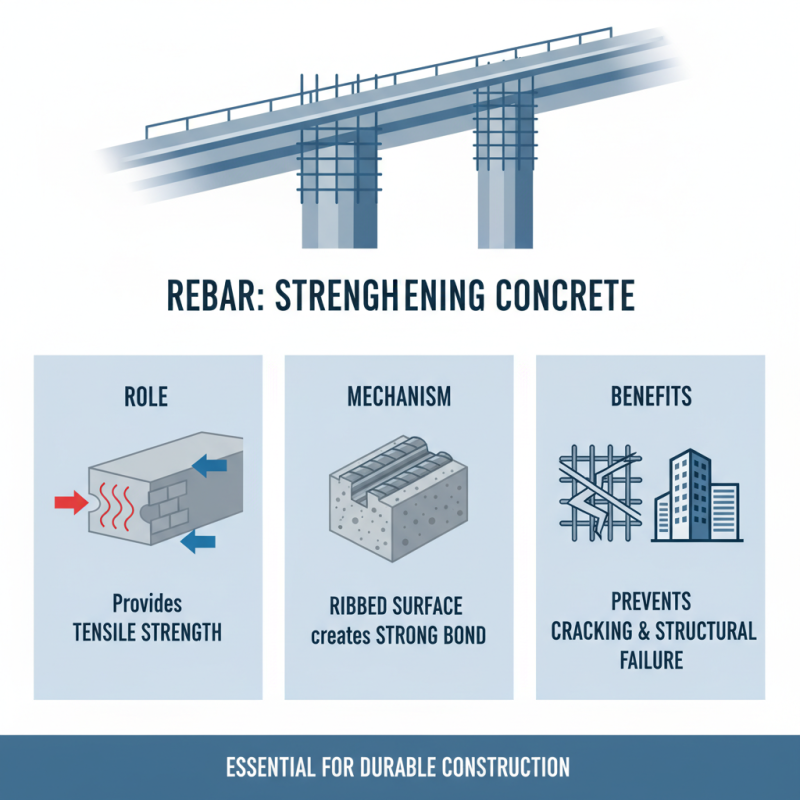
Rebar steel plays a critical role in ensuring structural integrity in construction projects. This reinforcing material provides tensile strength to concrete, which is inherently strong in compression but weak in tension. The ribbed surface of rebar promotes a strong bond with concrete. This bond helps prevent cracking and structural failure.
The key properties of rebar steel include its yield strength, ductility, and corrosion resistance. Yield strength indicates the maximum stress a material can withstand without deforming. High yield strength is essential for building tall and heavy structures. Ductility allows rebar to bend without breaking, absorbing energy during earthquakes or heavy loads. This flexibility is crucial for enhancing safety in dynamic environments.
Corrosion resistance, on the other hand, is often overlooked. Many projects still fail to consider environmental factors that lead to rusting. Using adequate protective coatings can mitigate this risk. However, some construction teams may not prioritize these details, leading to potential long-term issues. Ensuring proper specifications and standards in material selection is vital for the longevity of any structure.
Common Applications of Rebar Steel in Building Foundations
Rebar steel plays a critical role in construction, especially in building foundations. According to industry reports, approximately 90% of building structures rely on rebar for strength and durability. It acts as a tension reinforcement in concrete, which is naturally strong in compression but weak in tension. Without rebar, many structures would fail under stress.
In residential and commercial projects, rebar is essential for concrete slabs, walls, and columns. In regions with seismic activity, rebar provides extra stability, helping buildings withstand earthquakes. A study from the Concrete Reinforcing Steel Institute highlighted that proper rebar placement can enhance a foundation's load-bearing capacity by over 30%. This statistic shows just how vital rebar is—yet many contractors still overlook its role in design.
There’s room for improvement in how rebar is used. In some projects, insufficient attention is paid to rebar placement and cover. This can lead to issues such as corrosion and reduced structural performance. It's critical to follow best practices and ensure proper inspection. By focusing on these areas, the construction industry can further enhance safety and longevity.
Rebar Steel in Reinforcing Concrete Structures and Pavements
Rebar steel plays a critical role in reinforcing concrete structures. It provides the necessary strength to withstand various loads and stresses. Rebar is embedded in concrete to enhance tensile strength, which concrete lacks. This combination is essential for creating durable pavements and buildings.
Using rebar correctly is vital. Ensure proper spacing and alignment for optimal reinforcement. Many projects face issues due to incorrect placement. A poorly installed rebar can lead to cracks and premature failure. Concrete covers over the rebar must be adequate to shield it from corrosion.
Tips for working with rebar include checking for rust or irregularities. Rust can reduce its strength. Also, consider the weather during installation. Hot or cold conditions affect curing times. Always consult experts when uncertain about specifications. Effective planning can prevent costly mistakes in your construction project.
Best 10 Rebar Steel Uses for Construction Projects
| Use Case |
Description |
Key Benefits |
Common Applications |
| Reinforcement of Concrete |
Used to enhance the tensile strength of concrete elements. |
Improved durability and load-bearing capacity. |
Beams, slabs, columns |
| Pavements |
Provides structural integrity to pavement layers. |
Reduced cracking and maintenance costs. |
Roadways, parking lots |
| Seismic Resilience |
Enhances performance during earthquakes. |
Increased safety for buildings in seismic zones. |
High-rise buildings, bridges |
| Precast Concrete Elements |
Acts as a core element in precast components. |
Faster construction timelines and controlled quality. |
Precast walls, floors |
| Retaining Walls |
Supports soil retention and prevents erosion. |
Increases land usability and stability. |
Landscaping, infrastructure projects |
| Bridges |
Integral in the construction and stability of bridges. |
Long-term durability and resistance to forces. |
Highway bridges, pedestrian bridges |
| Foundations |
Provides strength to foundational structures. |
Stable support under heavy loads. |
Residential, commercial buildings |
| Industrial Structures |
Reinforces heavy industrial buildings. |
Enables large machines and storage solutions. |
Factories, warehouses |
| Marine Structures |
Supports bridges, docks, and piers. |
Resistance to corrosive environments. |
Harbors, navigational channels |
Innovative Uses of Rebar Steel in Modern Construction Techniques
Rebar steel has transformed modern construction techniques significantly. Its strength and versatility make it essential in various projects. It is primarily used to reinforce concrete structures like bridges and buildings. However, the innovative uses of rebar go beyond traditional applications. For instance, it can help create artistic designs in architecture. Some structures incorporate rebar in unique, visually appealing forms.
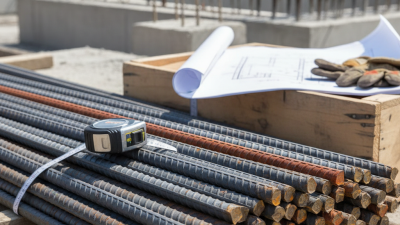
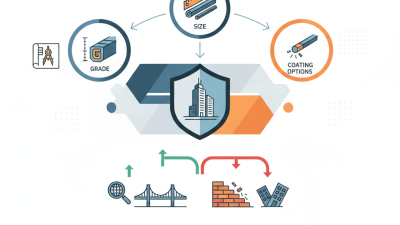
Tips: Always consider the weight and dimensions of rebar when planning your project. This will affect the overall design and stability. Using the right grade of rebar is crucial for safety. Each project has its unique requirements.
Another fascinating use of rebar is in landscaping. Garden beds and retaining walls can greatly benefit from rebar’s durability. Using rebar to support vertical gardens not only enhances aesthetics but also provides stability. However, to achieve a seamless look, one might struggle with aligning the rebar properly. Patience and precision are key to overcoming this challenge.
Tips: When using rebar for landscaping, ensure proper spacing to allow for plant growth. Regular maintenance is necessary to prevent rust and deterioration. Consider using protective coatings when exposed to moisture.