How to Choose the Right Steel Wire for Your Project?
Choosing the right steel wire for any project can significantly impact its success. The steel wire industry is vast and complex, with various grades and specifications. According to a recent report from the International Steel Wire Association, the demand for steel wire has grown by nearly 8% over the last five years.
Expert James Lawson, a renowned figure in the steel wire sector, emphasizes, “Your choice of steel wire can determine the durability of your structure.” This highlights the importance of making informed decisions. For instance, different applications require different types of steel. Some wires are better suited for construction while others excel in automotive manufacturing.
In addition to technical specifications, understanding your project's unique demands is essential. Factors like load-bearing capacity and environmental conditions play a role. Asking the right questions can lead to better choices. However, many overlook these details, risking project failures. As we explore how to make the best selection in the following sections, consider the broader implications of your decisions in the steel wire industry.
Understanding Different Types of Steel Wire and Their Properties
When choosing steel wire, it's crucial to understand the different types available. Carbon steel wire is a common choice, known for its strength and versatility. According to industry reports, carbon content typically ranges from 0.05% to 1%. This variation affects hardness and tensile strength. Higher carbon content increases strength but reduces ductility.
Stainless steel wire offers excellent corrosion resistance, making it ideal for outdoor use. It often contains about 10.5% chromium. This enhances durability against rust and environmental factors. The trade-off is higher cost compared to carbon steel.
Wire gauge is another critical factor. A thinner wire can handle less weight. It may bend more easily, while thicker wire provides more support. Understanding the right gauge ensures structural integrity. Not all projects need heavy-duty wire, but choosing too light can lead to failure. It's essential to assess your project's requirements carefully.
Steel Wire Types and Their Properties
Factors to Consider When Selecting Steel Wire for Your Project
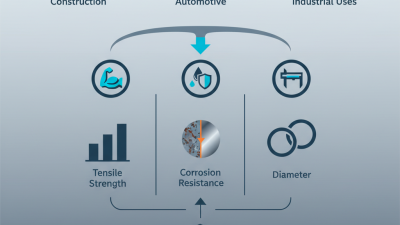
Choosing the right steel wire for your project requires careful consideration of several factors. One of the most important aspects is the wire’s tensile strength. Depending on your project, you might need a wire that can withstand significant pressure or weight. This strength can vary dramatically, so it's crucial to match it to your specific needs.
Another factor to consider is the diameter of the wire. A thicker wire can handle more stress, but might be too stiff for delicate applications. Conversely, a thinner wire is more flexible but may not offer the strength required. Make sure to visualize how the wire will fit into your design.
Additionally, the wire’s corrosion resistance should not be overlooked. In environments with moisture or chemicals, this will affect longevity. Remember that a wire resistant to rust might be a bit more expensive. Reflect on whether this investment aligns with your project's budget and long-term plans.
Analyzing the Load Requirements for Your Steel Wire Application
When selecting the right steel wire for a project, understanding load requirements is critical. The wire's tensile strength and flexibility can greatly impact performance. Industry reports indicate that wire ropes with a tensile strength of 1,770 to 1,860 MPa are common for lifting applications. This specification is essential for ensuring safety and meeting structural demands.
Analyzing the load specifications is often overlooked. For example, a project requiring a static load of 1,000 kg would typically need a wire rated for at least double that weight. This safety factor is crucial to prevent accidents. However, many engineers sometimes underestimate these requirements, leading to potential failures.
It's vital to thoroughly assess all factors affecting load. This includes dynamic loads from equipment, environmental influences, and even potential wear over time. A common misstep is neglecting to account for these variables, which can lead to wire failure. Regular review and adjustment of these parameters can enhance project safety and longevity.
Evaluating Corrosion Resistance and Environmental Conditions
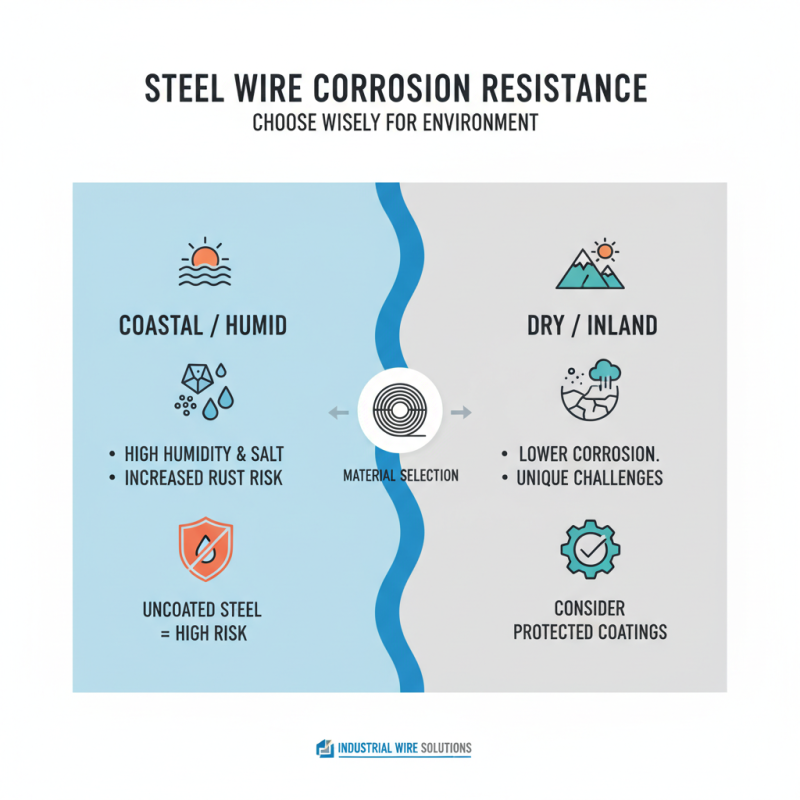
When choosing steel wire, consider corrosion resistance. Different environments cause varying levels of corrosion. For example, coastal areas face high humidity and salt. This increases rust risks for uncoated steel. On the other hand, dry, inland regions may have less corrosion but still present their own challenges.
Environmental conditions play a big role. Factors like temperature and exposure to chemicals matter. Extreme heat can weaken steel. Chemical exposure can lead to rapid degradation. How long will it last in your specific project? This is where testing comes into play. Many overlook this step. It's easy to assume a wire will hold up. But assumptions can lead to failures and costly rework.
Reflect on your project's needs. Is it for outdoor use? Then, look for higher corrosion resistance. Consider galvanized or coated options. These offer better protection but could be more expensive. Weigh your project's budget against its longevity. Finding the right balance can be tough. Think through these details to ensure your project succeeds.
Choosing the Right Diameter and Weight for Steel Wire Usage
Choosing the right diameter and weight for steel wire is crucial for project success. The strength of steel wire increases with diameter. Data shows that increasing the diameter from 1 mm to 5 mm can enhance tensile strength by over 400%. This means that a thicker wire can withstand more stress and strain. However, larger diameters also add weight, which could complicate handling or installation.
Weight is another important factor. Lighter wires are easier to manage but may not provide the necessary support. For example, using a wire with a diameter of 2 mm may weigh only 0.5 kg per meter. In contrast, a 4 mm wire could weigh 1.5 kg per meter. This weight difference might lead to difficulties if the project demands rapid handling or installation.
Selecting the wrong diameter can lead to framework failures. Engineers often recommend choosing wire based on the overall load it will bear. A report from the International Journal of Manufacturing Science indicated that nearly 20% of construction failures relate to improper material selection. Balancing diameter and weight presents ongoing challenges. Understanding the specific needs of your project is vital for effective decision-making.
How to Choose the Right Steel Wire for Your Project?
| Wire Diameter (mm) |
Weight (kg per 100m) |
Tensile Strength (N/mm²) |
Typical Applications |
| 1.0 |
6.1 |
350 |
Crafts, Light Load Binding |
| 2.0 |
24.0 |
450 |
Construction, Fencing |
| 3.0 |
51.0 |
550 |
Heavy Load Support, Reinforcement |
| 4.0 |
79.0 |
600 |
Industrial Applications, Aerospace |
| 5.0 |
118.0 |
700 |
Structural Engineering, Load Bearing |