How to Choose the Best Steel Building Materials for Your Project?
Choosing the right building materials steel is a crucial step in any construction project. The materials you select impact durability, cost, and overall functionality. Steel buildings offer strength and flexibility, making them suitable for various applications. Different grades of steel have distinct properties that influence their performance under stress, temperature, and use.
Many people overlook the importance of sourcing quality materials. Budget constraints can lead to choosing subpar options. However, investing in high-quality steel is vital for long-term benefits. It's essential to balance cost and quality without compromising safety or structural integrity.
Environmental factors are also key. Will the building be exposed to harsh weather? Corrosion-resistant options can save future repair costs. Each project is unique, and reflecting on your specific needs will help narrow down the choices. Selecting the best building materials steel can make a significant difference in the longevity and success of your project.
Understanding Different Types of Steel Building Materials Available
When choosing steel building materials, understanding the different types is essential. Common types include carbon steel, stainless steel, and alloy steel. Each has unique properties that influence durability and cost.
Carbon steel is strong but prone to rust without proper coating. Stainless steel resists corrosion but can be more expensive. Alloy steel combines various elements for enhanced performance.
Tip: Consider the local climate when selecting materials. If your project is in a humid area, stainless steel might be a better choice to prevent corrosion issues. The wrong selection could lead to costly repairs later.
Another option is galvanized steel. It is coated with zinc for protection against rust. This choice is often used in agricultural buildings or outdoor structures. However, the zinc coating can wear off over time. Regular maintenance is necessary to ensure longevity.
Tip: Always ask for certifications when purchasing steel. This ensures the materials meet safety standards. Cutting corners on quality can lead to safety hazards down the line. Choosing the right steel requires careful consideration and reflection on your project's specific needs.
Evaluating the Strength and Durability of Steel Options
When evaluating the strength and durability of steel options, a few key factors emerge. Steel's tensile strength commonly ranges from 400 to 700 megapascals (MPa). This makes it suitable for a variety of applications, from residential structures to industrial buildings. However, the specific grade of steel matters. A high tensile strength does not always mean it’s the best choice for every project. For instance, soft steels are easier to work with but may lack the endurance needed in harsh conditions.
Corrosion resistance is another crucial consideration. According to industry reports, nearly 30% of structural steel fails due to corrosion over time. Coating options and stainless steel variants can significantly enhance longevity. Still, coating wear can be unpredictable and depends on environmental conditions. Regular maintenance is essential, as neglect can lead to unexpected costs and structural failures.
Furthermore, environmental impact is often overlooked. Steel production is energy-intensive, contributing to high carbon emissions. Innovations in recycling processes are emerging, but not all materials are easily recyclable. Understanding the lifecycle of steel can help make a well-rounded decision. So, while evaluating strength, durability, and environmental factors, there isn't a one-size-fits-all solution. Each project requires careful assessment of all these elements.
Assessing Cost-Effectiveness and Budget Considerations
When embarking on a construction project, choosing steel building materials is crucial, especially concerning cost-effectiveness. Understanding your budget is key to making informed decisions. Industry reports indicate that steel can be cost-effective over time, particularly due to its durability. For instance, the National Association of Steel Framed Construction states that steel structures last longer, often around 40 years with low maintenance costs.
Tips: Allocate a budget for unexpected expenses. Prices can fluctuate, especially in the steel market. Examine current market conditions before finalizing your choices.
Consider the initial procurement cost versus long-term benefits. Steel might seem pricier upfront compared to wood or concrete, yet its lifespan and lower maintenance can make it worthwhile. A report from the American Institute of Steel Construction shows that steel buildings have a return on investment (ROI) of up to 20% due to reduced operational costs.
Tip: Explore different grades and coatings of steel. While some may seem cheaper, they can lead to higher maintenance costs later. Always analyze the specific needs of your project to prevent future financial strain.
Analyzing Environmental Impact and Sustainability Factors
When considering steel building materials, it's essential to analyze their environmental impact. Steel production contributes significantly to carbon emissions. In fact, the World Steel Association reports that steelmaking accounts for about 7-9% of global CO2 emissions. Choosing recycled steel can reduce this figure. Recycled steel requires up to 74% less energy than new steel, making it a sustainable option. It’s crucial to evaluate sourcing processes to ensure minimal environmental disruption.
Sustainability factors also extend to material durability. Steel structures generally have long lifespans, often lasting over 50 years. This longevity reduces the frequency of repairs or replacements, which can be detrimental to the environment. A report from the Steel Construction Institute suggests that the lifecycle analysis of steel shows that despite initial environmental costs, the overall impact tends to be lower over time. However, the production processes can still pose significant challenges in terms of water and energy consumption.
Moreover, while steel is recyclable, it’s not without flaws. The energy-intensive production phase often undercuts the sustainability narrative. It raises important questions about resource consumption in manufacturing. Seeking innovative recycling methods is essential. Addressing these complex issues is vital for achieving true sustainability in steel building materials.
Identifying Regulations and Standards for Steel Construction
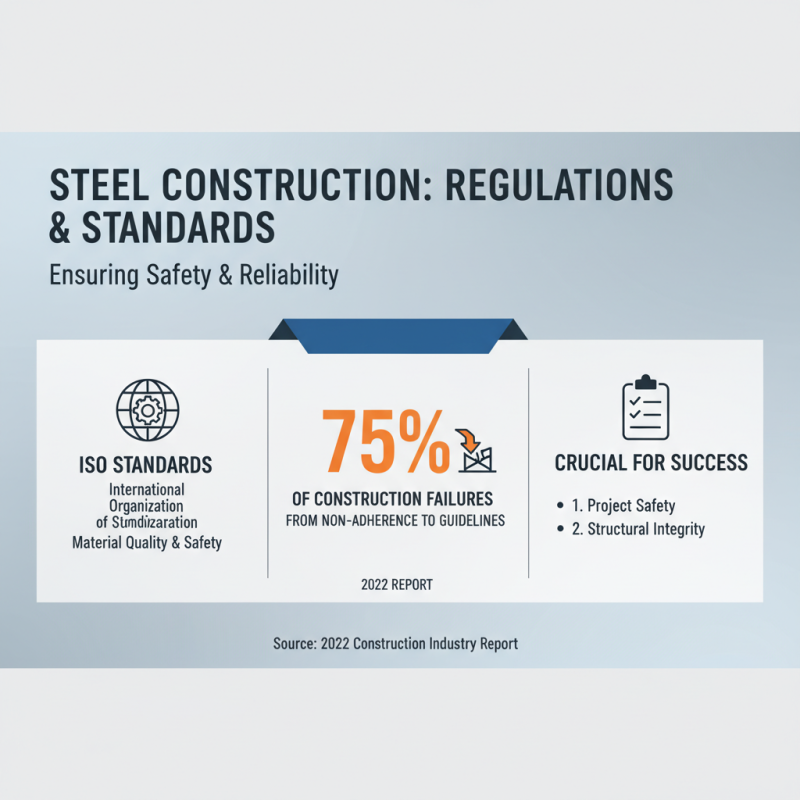
When embarking on a steel construction project, understanding regulations and standards is crucial. The International Organization for Standardization (ISO) has outlined specific standards for materials that enhance safety and reliability. According to a 2022 report, a staggering 75% of construction failures stem from not adhering to these guidelines.
Many regions have building codes that dictate the acceptable grades of steel, such as ASTM A992 for structural steel shapes. Compliance can influence structural integrity and project longevity. Failure to meet these requirements may lead to costly renovations or, worse, safety hazards. A survey by the American Institute of Steel Construction revealed that 42% of construction professionals felt unclear about evolving standards and regulations affecting their projects.
Choosing suitable materials without proper regulatory knowledge can be daunting. Not all steel types offer the same durability or resistance to corrosion. For example, galvalume steel, while cost-effective, may not provide the longevity required in harsh environments. It’s essential to assess the interplay between material choice and regulatory demands, ensuring your project meets the legal framework while achieving long-term resilience.