How to Choose the Right Gate Valve for Your Project?
Choosing the right Gate Valve for your project can be a daunting task. A gate valve is crucial in controlling fluid flow in various applications. Industry expert Dr. Emily Harper states, “Selecting the appropriate gate valve can prevent operational issues and ensure system longevity.” Her insight emphasizes the importance of making an informed decision.
When navigating the gate valve market, consider factors like material, size, and pressure rating. Each element significantly impacts performance and reliability. For example, corrosion-resistant materials are essential in harsh environments. Additionally, the valve size must match the pipeline specifications to avoid flow issues. Yet, many overlook these crucial details, often leading to operational inefficiencies.
The intricacies of valve selection can be overwhelming. Small mistakes in choosing a gate valve may lead to costly repairs or system failures. Therefore, consulting reliable resources and industry experts is vital. Taking the time to research and analyze different gate valve options will yield better project outcomes. The right choice not only impacts initial performance but also long-term success.
Understanding the Basics of Gate Valves and Their Applications
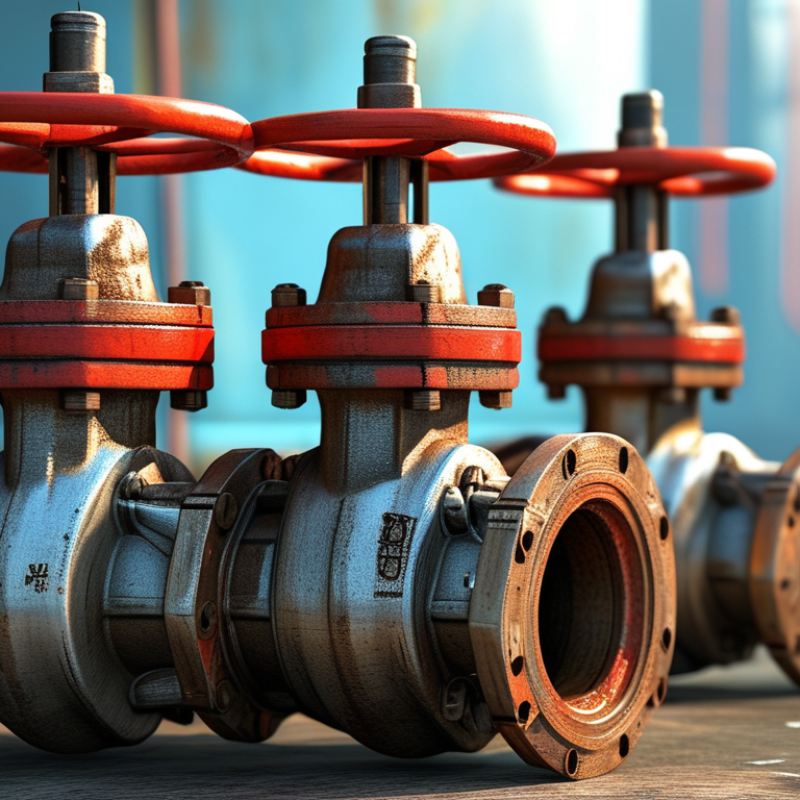
Gate valves play a crucial role in fluid control systems. They are primarily used to start or stop the flow of liquids or gases. Understanding their structure is essential. A gate valve typically consists of a body, disc, and stem. The disc moves up and down to open or close the flow. This simplicity is one reason for their widespread use in various applications.
When selecting a gate valve, consider factors such as pressure ratings, materials, and operating conditions. For instance, a valve designed for high temperature may require different materials than one used in cooler settings. Different applications, like water supply, oil transfer, or chemical processing, all impose unique demands. Not every gate valve works for every situation. Choosing the wrong type can lead to failures, inefficiency, or leaks.
It is vital to ensure that the gate valve meets the specific needs of your project. Researching and consulting experts can be invaluable. Many engineers overlook the significance of detailed specifications. Minor differences in size or material can result in major issues down the line. Always take the time to assess all options thoroughly.
How to Choose the Right Gate Valve for Your Project?
| Dimension | Material | Pressure Rating | Temperature Range | Applications |
| 2 inch | Cast Iron | 150 psi | -20 to 120°C | Water Supply |
| 3 inch | Stainless Steel | 300 psi | -50 to 250°C | Oil & Gas |
| 4 inch | Ductile Iron | 150 psi | 0 to 150°C | Sewage Treatment |
| 6 inch | Brass | 600 psi | -10 to 200°C | Chemical Processing |
Key Factors to Consider When Selecting a Gate Valve
Choosing the right gate valve for your project requires careful evaluation of several key factors. When selecting a gate valve, consider the material it’s made from. Common materials, such as stainless steel and cast iron, offer different durability and corrosion resistance levels. Match the valve material to the fluids it will handle. For corrosive substances, opt for valves designed to withstand harsh conditions.
Another critical factor is the valve size. Ensure it fits the piping system perfectly. A valve that is too large may not seal properly. Conversely, a small valve might restrict flow and cause inefficiencies. Use precise measurements of both the pipe diameters and the flow requirements to make an informed choice.
Tips: Always consult with a professional when unsure. The wrong valve can lead to costly repairs or project delays. Regularly check for quality certifications to ensure reliability. Look for user reviews and case studies related to similar applications. Remember, a well-informed decision today can enhance your project's success tomorrow.
Material Selection for Gate Valves: Pros and Cons
When selecting the right material for gate valves, it is crucial to consider the environment in which they will operate. Common materials include cast iron, stainless steel, and bronze. Cast iron is cost-effective and durable, but it can corrode over time. It may not work well in high-pressure applications.
Stainless steel offers excellent resistance to corrosion, making it ideal for harsh environments, though it is often more expensive.
Bronze is another option that combines strength and corrosion resistance, fitting well for marine applications. However, it is softer than other metals, which can lead to wear. Each material has its benefits, but it's essential to think about long-term performance and maintenance. Choosing poorly may lead to leaks or valve failure, so thorough research is vital. The material's compatibility with the fluid being controlled should never be overlooked. The right choice enhances system reliability and longevity.
Sizing a Gate Valve for Optimal Performance
When choosing a gate valve for your project, proper sizing is crucial. An oversized valve can lead to inefficient flow, causing turbulence and pressure drops. Conversely, a valve that is too small may restrict flow and increase the risk of valve failure. The key is to determine the flow requirements and pressure conditions specific to your application.
Start by calculating the expected flow rate through the valve. This can be done using various formulas and flow charts suitable for your system. Consider the diameter of the pipe and the maximum allowable pressure drop. These details will help in deciding the appropriate valve size. Also, assess the type of fluid and its characteristics, as this can influence the valve design and materials.
Engineers often encounter challenges in sizing gate valves. Misjudgments can lead to costly repairs or system inefficiencies. Regularly revisiting your sizing calculations and consulting industry standards can enhance reliability. Collaboration with experienced professionals in valve selection ensures that all variables are considered. It's important to stay open to adjustments as project parameters evolve.
Common Mistakes to Avoid When Choosing a Gate Valve
Choosing the right gate valve is crucial for any project. However, many overlook key considerations during the selection process. One common mistake is ignoring the operating conditions. According to a report from the Valve Manufacturers Association, 37% of valve failures result from incorrect specifications for pressure and temperature. Ensuring the gate valve can handle these conditions prevents costly malfunctions.
Another mistake is not considering the material compatibility. Using a valve made of materials that corrode or degrade in specific environments can lead to significant leakage. A study by the International Journal of Pressure Vessels and Piping found that 25% of premature valve failures stem from material incompatibility. It's essential to assess the fluid or gas being transported, along with the environment in which the valve operates.
Finally, many projects overlook the sizing of the valve. The wrong size can inhibit flow or cause excessive strain. A survey conducted by the American Society of Mechanical Engineers indicated that correctly sized valves can improve system efficiency by up to 20%. Evaluating the system requirements and conducting flow calculations are pivotal steps that should not be rushed. Proper evaluation can save time and money in the long run.
