How to Choose Superior Steel for Your Construction Projects?
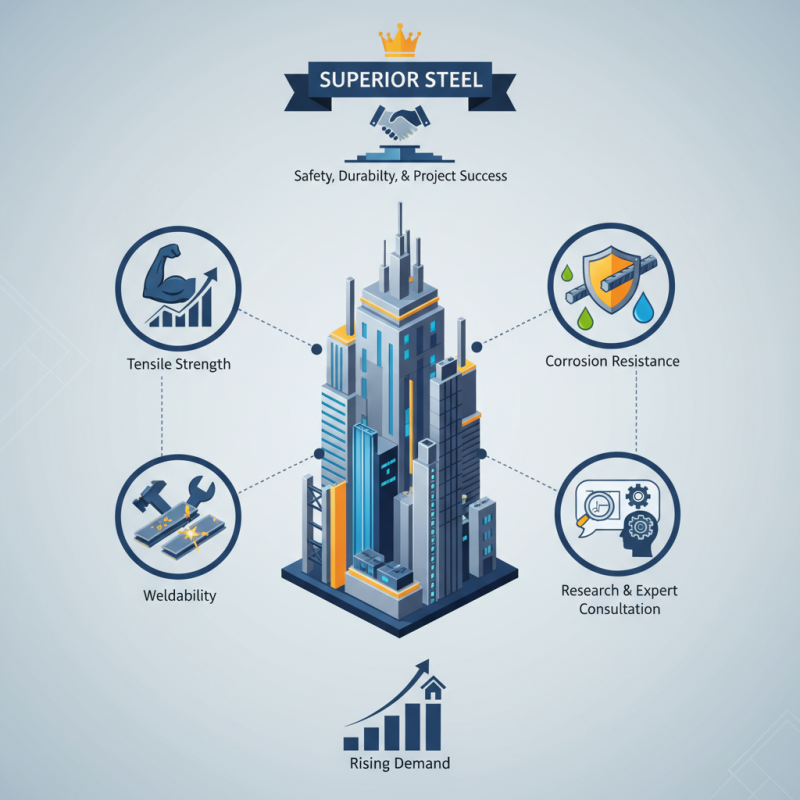
Selecting superior steel for construction is crucial. It impacts safety, durability, and overall project success. Notably, John Smith, a renowned steel industry expert, asserts, "The right steel choice defines the strength of our future structures."
The demand for superior steel is rising. Builders need materials that can withstand various environmental challenges. Quality steel enhances the longevity and stability of buildings. Factors like tensile strength, corrosion resistance, and weldability must be considered. Yet, many overlook these critical aspects.
There’s no one-size-fits-all. Choosing the wrong type can lead to costly repairs. Project managers must analyze their specific needs. Research and expert consultation are essential in making informed decisions. Embracing the importance of superior steel is a step towards construction excellence.
Understanding the Different Types of Steel for Construction Purposes
When selecting steel for construction, understanding its types is crucial.
Carbon steel is commonly used in construction due to its strength and affordability.
It contains carbon and small amounts of manganese, making it resilient. This type is ideal for beams and reinforcements.
Alloy steel is another option. It includes elements like chromium and nickel, enhancing durability.
This steel can resist corrosion, making it suitable for harsh environments. However, it can be more costly and requires careful handling during welding.
Stainless steel offers excellent resistance to rust and staining. Its unique composition allows it to maintain strength in various weather conditions.
However, it is often misunderstood as too expensive for general use.
A thoughtful analysis of these types can lead to better project outcomes. Each steel type has advantages and drawbacks.
Balancing cost, strength, and durability is essential.
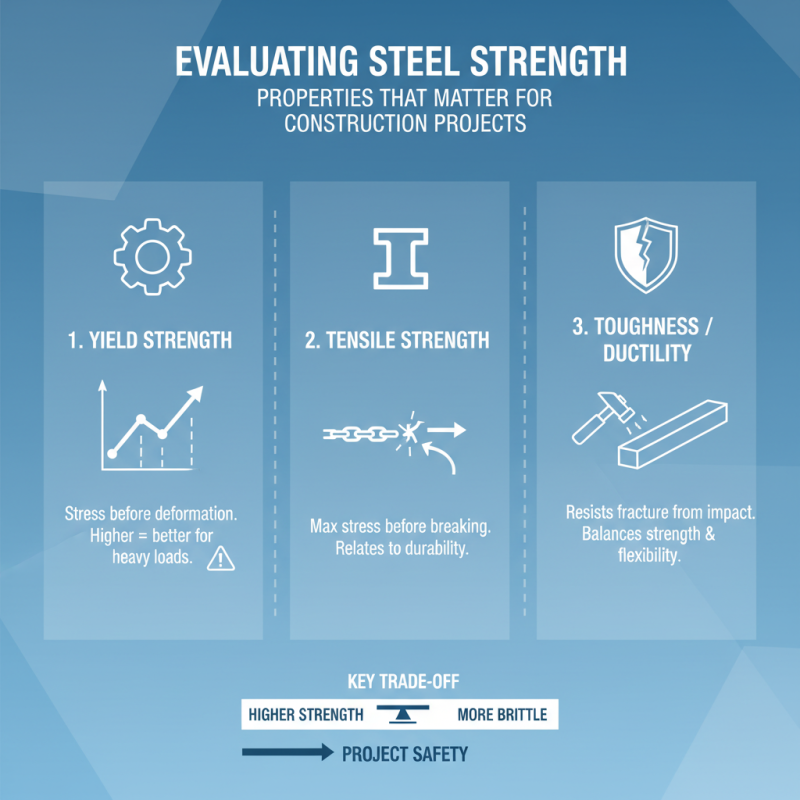
Evaluating Steel Strength: Properties That Matter for Construction Projects
When selecting steel for construction, strength is crucial. Different projects require various types of steel, each with unique properties. Yield strength indicates how much stress steel can withstand before deforming. Higher yield strength means better performance in heavy-duty situations. However, stronger steel may be more brittle. This trade-off can impact project safety.
Tensile strength is another important property. It measures how much pulling force steel can endure. For structures exposed to tension, such as bridges and towers, high tensile strength is essential. Some constructions might use mild steel. While it’s easy to work with, its tensile strength is lower. Evaluating these properties helps in choosing the right steel type.
Corrosion resistance also plays a vital role. In environments prone to moisture, exposed steel can rust. Choosing galvanized or stainless steel can prevent early deterioration. However, these options often come at a higher cost. Understanding the balance between strength and durability is necessary. Every construction project's context will dictate the best choice.
The Importance of Steel Grades: How to Choose the Right One
Choosing the right steel grade is crucial for any construction project. The grade of steel determines its strength, ductility, and potential uses.
According to the American Institute of Steel Construction, over 70% of steel used in the U.S. is structural steel, which is essential for supporting buildings and bridges.
Steel grades are classified based on their chemical composition and mechanical properties. For example, A36 steel is commonly used due to its balance of strength and versatility.
When selecting steel, consider factors such as load-bearing requirements and environmental conditions. Construction projects in coastal areas need corrosion-resistant steel, like ASTM A992.
Research from the Steel Construction Institute indicates that using the appropriate grade can improve safety and reduce long-term costs. However, the decision can be complex. Many contractors may overlook specific requirements, leading to costly mistakes.
Being informed about steel grades can mitigate risks and enhance project outcomes.
Furthermore, the market's dynamic nature means steel prices fluctuate based on demand and quality.
A report by the World Steel Association highlights that higher-grade steel is often more expensive but offers longer lifespans.
It's essential to evaluate the trade-offs between cost and performance. Understanding the specifications ensures compliance with safety standards while optimizing budget constraints.
Making well-informed choices now can prevent future complications and enhance overall project efficiency.
Assessing Steel Durability and Corrosion Resistance for Longevity
When selecting steel for construction, durability is crucial. Steel must withstand various environmental challenges. Corrosion resistance is one of the key factors. Weather, humidity, and pollutants can weaken unprotected steel over time. It’s essential to study each project's location and conditions.
Different types of protective coatings can enhance steel’s longevity. Galvanized steel offers zinc protection against corrosion. In coastal areas, stainless steel might be necessary to resist saltwater exposure. It’s not always clear which type to choose. An expert’s guidance can help clarify the best options for your specific needs. Remember, making a poor choice can lead to costly repairs later.
Consider the long-term implications of your steel selection. Evaluate the full lifecycle of the materials. A stronger initial investment may lead to savings later. Pay close attention to local standards and building codes. This information is vital in ensuring that your construction meets safety requirements.
Comparison of Steel Durability and Corrosion Resistance
Cost Considerations: Balancing Quality and Budget in Steel Selection
When selecting steel for construction projects, cost often plays a crucial role. Balancing quality and budget is vital. According to the American Institute of Steel Construction, prices for steel can vary significantly, influenced by global supply chains, demand, and grade specifications. High-quality steel may cost 20% to 30% more, impacting overall project budgets. However, investments in superior materials can reduce future repair costs and extend a structure's lifespan.
Consider your project's specific requirements. If high strength and durability are essential, opting for higher-grade steel may justify the additional expense. For temporary structures, lower-grade options could suffice, optimizing short-term costs. A recent report from the Construction Industry Institute suggests that projects using higher-grade steel can lead to savings of up to 15% in long-term maintenance.
Tips: Always assess the total lifecycle cost of steel. Understand that lower initial prices may lead to higher maintenance. Regular market assessments can identify the best times to buy. Stay informed about materials trends to make timely purchases. Selecting the right steel demands careful thought, aligning quality with budget constraints for the best overall value.