What is Quality Steel and Why It Matters for Construction and Industry
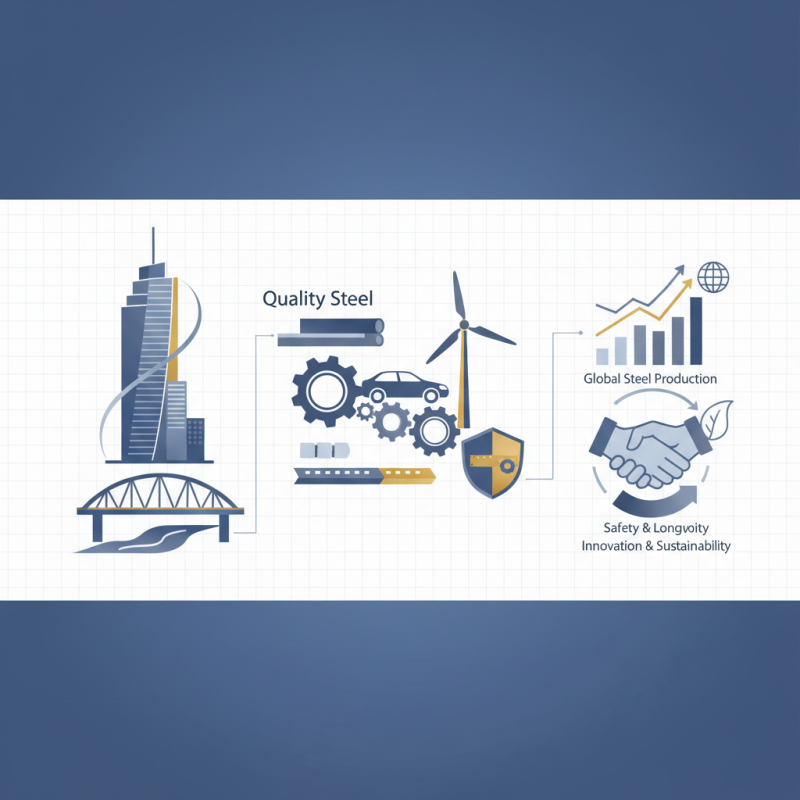
In the realm of construction and industry, the significance of quality steel cannot be overstated. As per the World Steel Association, the global steel production reached approximately 1.9 billion tonnes in 2021, reflecting a robust demand for high-grade materials that ensure durability and structural integrity. Quality steel plays a crucial role in various applications—from skyscrapers and bridges to automotive manufacturing—emphasizing its necessity for sustainable growth in these sectors. A comprehensive report by Industry Research Solutions highlighted that the market for quality steel is expected to expand significantly, driven by rising construction activities and infrastructure development worldwide.
Renowned quality steel expert Dr. Emily Chen stated, "The foundation of any lasting structure lies in the quality of the materials used, and quality steel is paramount to achieving safety and longevity." This perspective encapsulates the industry's reliance on quality steel not only for its mechanical properties but also for its contribution to safety standards and environmental sustainability. As industries evolve and construction practices become more advanced, the emphasis on sourcing high-quality steel continues to rise, supporting the demand for innovation and efficiency in projects globally. Through this lens, understanding what quality steel is and its implications becomes essential for stakeholders aiming to drive success in their endeavors.
Definition and Characteristics of Quality Steel
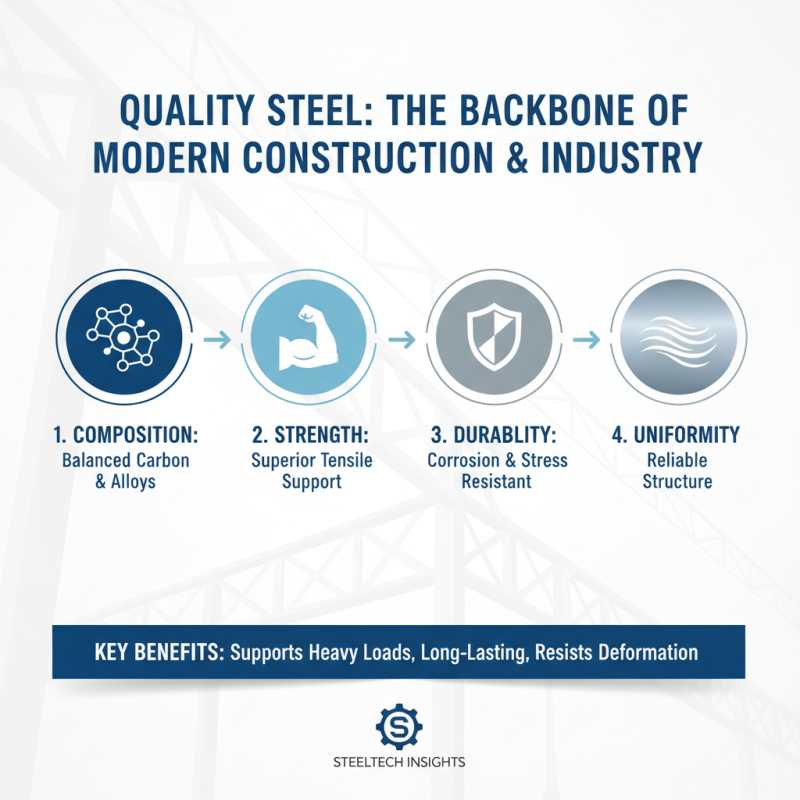
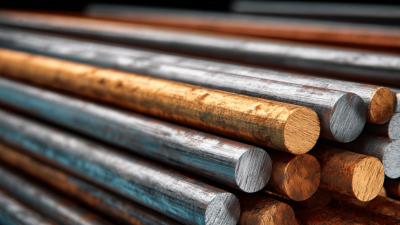
Quality steel is defined by its composition, strength, durability, and resistance to corrosion and deformation under stress. In construction and industry, quality steel typically contains specific amounts of carbon and alloying elements, which enhance its mechanical properties. High-quality steel exhibits superior tensile strength, allowing it to support heavy loads without yielding or breaking. Furthermore, it tends to have uniformity in its structure, which is crucial for ensuring reliability in various applications.
When selecting steel for a project, it is essential to understand its characteristics, such as yield strength, ductility, and impact resistance. These properties determine how well the material can withstand environmental conditions and mechanical stress. Quality steel should also have a low level of impurities, as these can significantly affect its performance and lifespan.
Tips: Always verify certifications and specifications when choosing steel for construction projects. Check for third-party testing and ensure that the steel meets the necessary industry standards. Additionally, consider the environmental factors the steel will face, as this can influence your choice of material to ensure long-term durability and structural integrity.
Types of Quality Steel Used in Construction and Industry
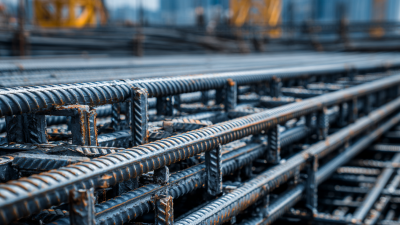
Quality steel is a fundamental material in construction and industry, recognized for its strength, durability, and versatility. There are several types of quality steel used in these fields, each suited for specific applications. One of the most common types is structural steel, which provides the essential support for buildings and bridges. This steel is designed to bear heavy loads, making it crucial for ensuring the stability and safety of structures.
Another important type is stainless steel, known for its corrosion resistance and aesthetic appeal. It is often utilized in environments that require durability against weather and chemicals, such as in the manufacturing of equipment and piping systems. Additionally, high-strength low-alloy (HSLA) steel is frequently used in construction due to its improved mechanical properties and weight savings, allowing for lighter structures without compromising strength. Each type of quality steel plays a vital role in the construction and industrial sectors, contributing to efficient design, longevity, and safety.
What is Quality Steel and Why It Matters for Construction and Industry
| Type of Steel |
Properties |
Common Uses |
Standards |
| Carbon Steel |
High tensile strength, ductility, and weldability. |
Structural beams, bridges, and general fabrication. |
ASTM A36, A992 |
| Alloy Steel |
Enhanced hardness, toughness, and wear resistance. |
Tools, gears, and high-stress applications. |
ASTM A514, A517 |
| Stainless Steel |
Corrosion resistance, durability, and aesthetic appeal. |
Piping, kitchenware, and architectural applications. |
ASTM A stainless series, A240 |
| Tool Steel |
High hardness, resistance to abrasion, and tool life. |
Cutting tools, dies, and molds. |
ASTM A681, A686 |
| High-Strength Low-Alloy Steel (HSLA) |
Combines high strength with ductility. |
Construction, automotive components, and heavy equipment. |
ASTM A572, A588 |
The Importance of Quality Steel in Structural Integrity
Structural integrity is the cornerstone of any construction or industrial project, and the quality of steel used plays a critical role in ensuring that integrity. High-quality steel exhibits superior strength, ductility, and resistance to environmental factors, making it an essential material for load-bearing structures. When compromised, the integrity of these structures can lead to catastrophic failures, resulting in not only financial loss but also risking lives. Therefore, sourcing quality steel is non-negotiable in the field of construction and industry.
Tips: When selecting steel for your projects, always verify the specifications and certifications. Ensure that the steel meets industry standards for both tensile strength and yield strength, as these factors greatly influence the performance and longevity of the structures. Also, consider the alloy composition; certain alloying elements can enhance the steel's corrosion resistance and impact toughness, further extending the service life of your constructions.
Investing in quality steel is not just about financial outlay; it’s about ensuring safety and sustainability. Using inferior steel may save costs upfront, but it can lead to higher maintenance expenses and liabilities in the long run. Always consult with structural engineers and material specialists to choose the right grade of steel for your specific applications, thereby safeguarding the future of your projects.
Standards and Certifications for Quality Steel Products
When it comes to construction and industry, the importance of quality steel cannot be underestimated. Quality steel is often defined by its adherence to specific standards and certifications that signify its reliability, strength, and suitability for various applications. In many regions, organizations like ASTM International, ISO, and EN have established rigorous standards that steel products must meet to ensure that they can withstand the demands of construction and industrial uses. These certifications not only provide assurance of the material's quality but also play a critical role in safety protocols, ensuring that the structures built with such steel are safe for public use.
Tips: When selecting steel for a project, always verify that the product has the relevant certifications. This can help prevent future issues related to structural integrity and safety. Additionally, consider sourcing from suppliers who are transparent about their quality assurance processes, as this often correlates with higher quality materials.
Moreover, specific properties such as tensile strength, ductility, and corrosion resistance are often outlined in these standards. Steel that meets these criteria is essential for applications ranging from building frameworks to vehicle manufacturing. Ensuring that quality steel is utilized not only supports the longevity of structures but also minimizes maintenance costs in the long run.
Tips: Engage with experienced engineers and architects to choose the right type of steel for your project, considering its intended use and environmental factors. Knowledgeable professionals can guide decision-making toward selecting materials that align with best practices in quality assurance.
Challenges and Innovations in Steel Quality Management
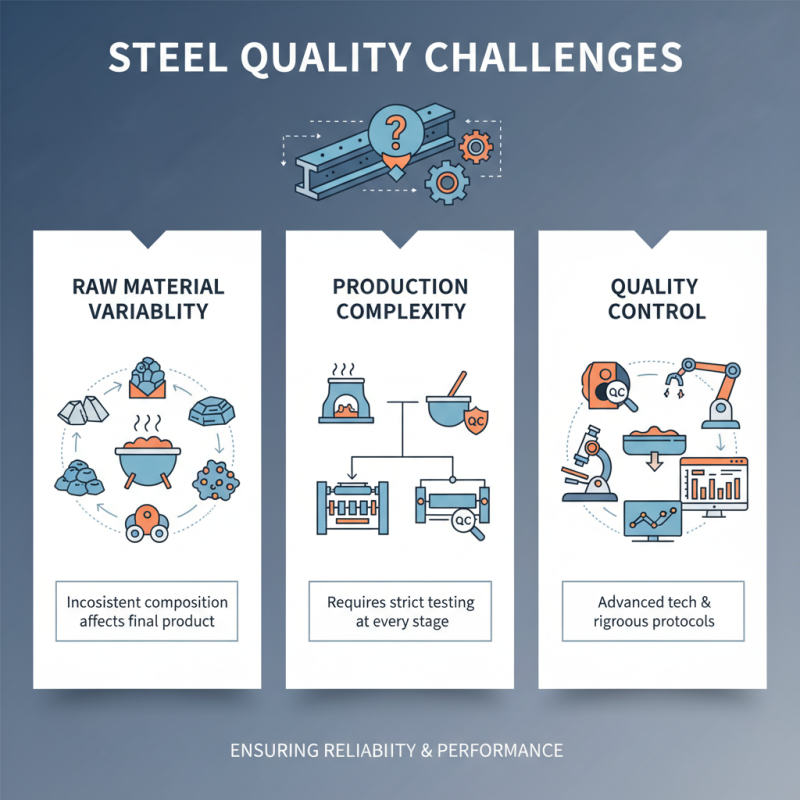
Quality steel plays a pivotal role in construction and various industries, yet managing steel quality presents a range of challenges. One significant challenge is the variability in raw materials used in steel production. The composition and quality of ingredients can greatly affect the final product. This inconsistency necessitates strict quality control measures throughout the production process. Manufacturers must implement rigorous testing protocols and employ advanced technologies to monitor the quality at every stage, from melting to fabrication.
Moreover, innovations are emerging to enhance steel quality management. The use of automation and artificial intelligence in production processes enables real-time data analysis, allowing for quicker responses to quality deviations. Additionally, advancements in non-destructive testing methods provide deeper insights into the integrity of steel products without damaging them. Collaborative efforts between industry stakeholders, from suppliers to construction firms, are also crucial. By sharing best practices and developing standardized quality benchmarks, the steel industry can better navigate the complexities of quality management while ensuring that the final products meet the rigorous demands of construction and industrial applications.