What is a Thermoforming Packaging Machine and How It Works?
In the modern packaging industry, efficiency and sustainability are paramount. The Thermoforming Packaging Machine plays a crucial role in meeting these demands. According to a recent report by MarketsandMarkets, the global thermoforming market is projected to reach $16.61 billion by 2025, showcasing its significance and versatility in various sectors.
Thermoforming machines heat plastic sheets, then mold them into specific shapes. This process enhances packaging efficiency and reduces waste compared to traditional methods. A survey by Smithers Pira indicates that thermoformed packaging can reduce material usage by up to 40%. Yet, challenges persist, such as the need for skilled operators and potential equipment costs, which may deter small businesses.
Despite these hurdles, the benefits of utilizing a Thermoforming Packaging Machine far outweigh the drawbacks. The technology continues to evolve, integrating advanced functionalities that improve production speeds and reduce energy consumption. As the industry pushes towards sustainability, the role of thermoforming will become even more vital, driving innovation and efficiency in packaging solutions.
Definition of Thermoforming Packaging Machines
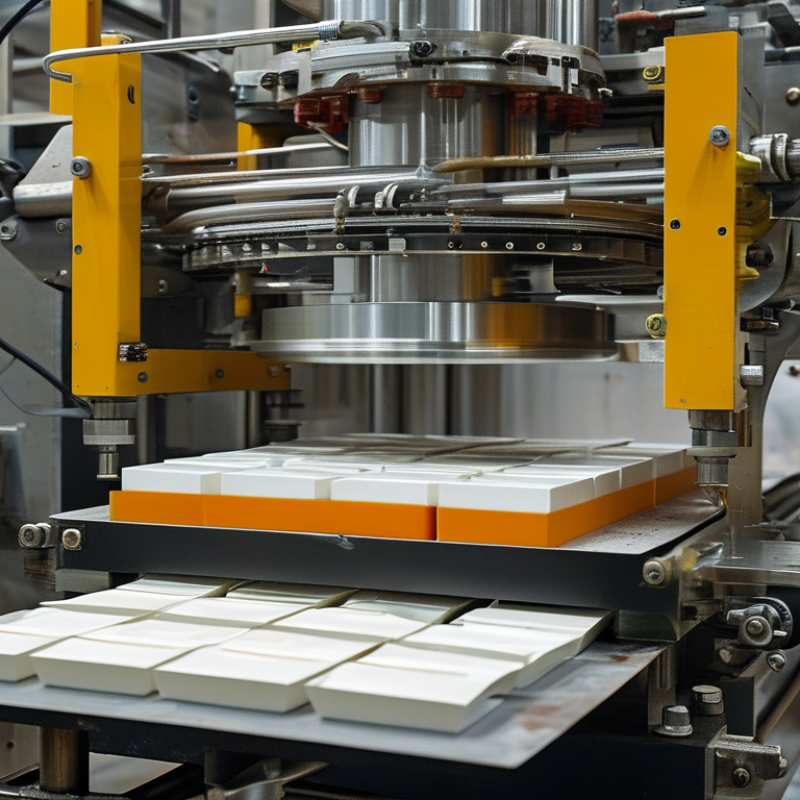
Thermoforming packaging machines are essential in modern manufacturing. They mold plastic sheets into various shapes for packaging. This process ensures products are securely enclosed, reducing damage during transit. According to a report by Smithers Pira, the global thermoforming market is projected to reach $5.3 billion by 2026. This growth highlights the importance of efficient packaging solutions.
These machines operate by heating plastic until it becomes pliable. Once softened, the plastic is shaped over molds, often using vacuum pressure. This method allows for a wide variety of designs and sizes, catering to different industries, from food to electronics. Yet, the plastic waste generated during this process raises environmental concerns. The industry is being urged to seek sustainable alternatives.
Industry professionals emphasize the need for continuous improvement in thermoforming technology. Innovations can lead to less energy consumption and more recyclable materials. However, challenges remain. Upgrading equipment can be costly, and not all businesses can afford it. Understanding these dynamics is crucial for companies looking to stay competitive while also being environmentally responsible.
Key Components of Thermoforming Packaging Machines
Thermoforming packaging machines play a vital role in the packaging industry. These machines form plastic sheets into usable containers or products through a heated molding process. Key components are essential for their effective operation and performance.
The heating element is crucial. It warms the plastic sheets to a pliable state. Many machines use infrared heaters for efficiency. This heating process must be precisely managed. Too much heat can deform the product, while too little can cause inadequate forming. According to industry reports, poorly calibrated heating can lead to a 15% increase in material waste.
The forming station is another critical part. It shapes the heated plastic into the desired form using molds. The mold quality significantly influences the final product’s precision and consistency. High-quality molds can improve production efficiency by 25%, highlighting their importance in the production process.
Automation in thermoforming machines enhances productivity. Automated systems can monitor the process, ensuring materials are continually fed and formed correctly. However, reliance on automation can pose challenges. If the sensors fail, it can lead to significant downtime. This situation stresses the need for regular maintenance and diagnostics on these machines to prevent disruption in production.
What is a Thermoforming Packaging Machine and How It Works? - Key Components of Thermoforming Packaging Machines
| Component | Description | Function |
| Heater | Used to heat plastic sheets | Prepares plastic for forming |
| Forming Station | Mold area where heated plastic is formed | Shapes the heated plastic into desired design |
| Cooling System | Cooling mechanism to solidify the formed plastic | Ensures the shape retains after forming |
| Cutting Unit | Used for trimming and cutting formed plastic | Prepares the final product for packaging or shipping |
| Control Panel | User interface for machine operation | Monitors and adjusts machine settings |
How Thermoforming Process Works Step by Step
The thermoforming process is a fascinating technology used in packaging. It begins with a sheet of plastic being heated until soft. This heated sheet is then stretched over a mold. The pressure applied allows the plastic to conform to the shape of the mold. It’s a pivotal step that determines the final product's quality.
Once the plastic cools and hardens, it is trimmed or cut from the mold. This stage is crucial for ensuring a clean finish. Often, precision is vital here. The trimming process must be accurate to avoid waste. Mistakes in this area can lead to an increase in production costs and timelines.
After trimming, the packaging can be filled with products. This is where the efficiency of thermoforming shines. However, inconsistency in heating can cause undesirable outcomes. It is essential for operators to monitor temperatures carefully. Any deviation can impact the integrity of the final packaging. This can lead to issues with sealing and durability, making it a focal point in the production line.
Thermoforming Packaging Machine Production by Material Type
Types of Thermoforming Packaging Techniques
Thermoforming packaging techniques provide a range of methods for creating effective, efficient packaging solutions. Two common types are rigid thermoforming and flexible thermoforming. Rigid thermoforming involves heating a plastic sheet until soft, then shaping it over a mold. This method produces sturdy containers for food, electronics, and medical supplies.
Flexible thermoforming, on the other hand, uses thinner materials. It’s often employed for applications requiring more adaptable packaging. This technique allows for smaller, lighter packages that can conform to the product's shape. The trade-off is that flexible packages may not offer the same high level of protection as their rigid counterparts.
Another technique, called vacuum forming, involves creating a vacuum around the heated plastic sheet. This draws the sheet tightly over the mold, ensuring precision. Hot stamping can also be incorporated into thermoforming for branding purposes. These techniques have room for improvement. For instance, waste generated during production remains an ongoing challenge. Balancing efficiency and sustainability is crucial in the industry today.
Applications of Thermoforming Packaging in Various Industries
Thermoforming packaging is widely used across diverse industries. In food packaging, for instance, it helps extend shelf life. A study shows that around 90% of manufacturers prefer thermoformed trays for fresh produce. These trays maintain freshness and reduce waste effectively.
In the medical field, thermoforming is crucial for creating sterile packaging. It ensures safety and compliance with health regulations. However, challenges exist. Consistent quality and material selection are vital. Many manufacturers face issues with durability and cost.
The consumer goods sector also benefits from thermoforming. It offers custom shapes and designs. This attracts buyers and enhances user experience. One report indicates that companies using thermoforming see a 20% increase in sales compared to traditional packaging methods. Yet, some companies struggle with high initial investment costs. Balancing sustainability and functionality remains a concern for many.
