Why is Wire Steel Essential in Construction and Industry?
Wire steel plays a crucial role in both construction and industrial applications. Its unique properties make it indispensable for creating strong, durable structures. Used in everything from buildings to bridges, wire steel provides the necessary tensile strength that other materials often lack.
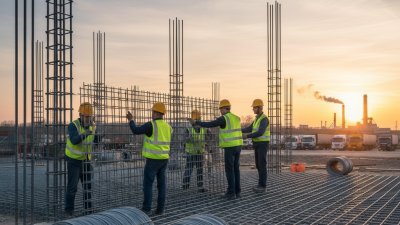
In the construction sector, wire steel is commonly found in reinforced concrete. This combination enhances the structural integrity of buildings. It can withstand heavy loads, making it reliable for various projects. However, sourcing quality wire steel can sometimes be a challenge.
Moreover, the industrial applications of wire steel extend to machinery and tools. It's essential in manufacturing processes where high strength and flexibility are required. Yet, some businesses may overlook the importance of choosing the right type of wire steel for their needs. This oversight can lead to subpar outcomes. Addressing these factors helps emphasize the true value of wire steel in modern infrastructure.
The Historical Development of Wire Steel in Construction and Industry
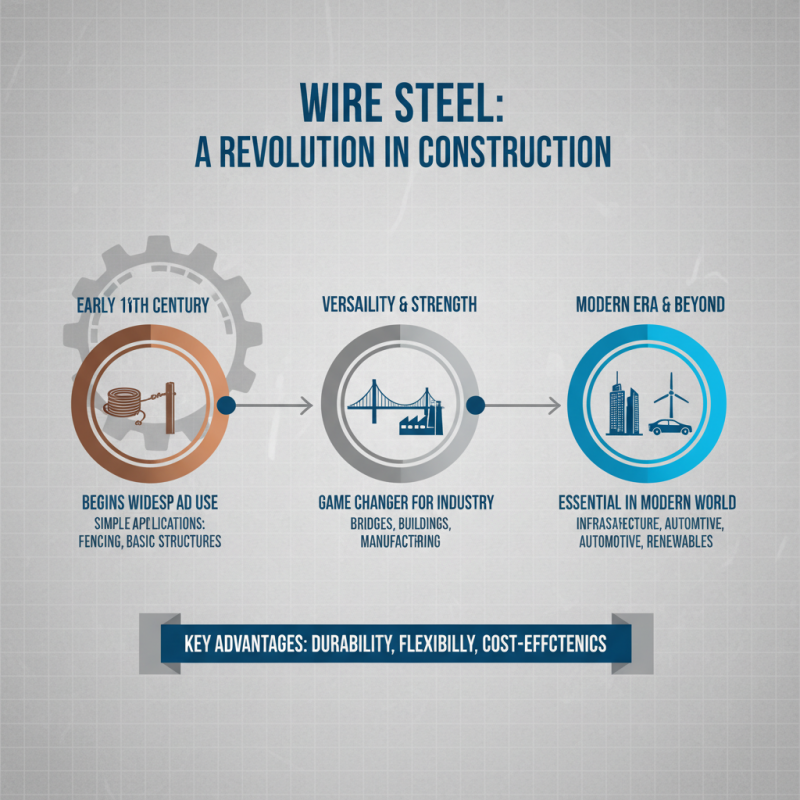
Wire steel has a rich history in construction and industry. Its versatility made it a game changer. In the early 19th century, wire steel began seeing widespread use. Initially, it was mainly for simple applications. Fencing and basic structures benefited greatly from its strength.
As technology advanced, wire steel found its place in more complex constructions. Reinforced concrete emerged as a key development. Wire steel offered reliability and support in buildings and bridges. Yet, the reliance on wire steel isn't without its challenges. Some structures have faced issues due to improper installation.
Today, wire steel remains vital. It plays a significant role in modern architecture and industrial applications. However, constant innovation is needed. The industry must address concerns like corrosion and fatigue. Balancing cost and quality is a persistent challenge. Maintaining standards while pushing for progress can be difficult. Wire steel’s evolution continues, reflecting the demands of contemporary construction and industry.
The Key Properties That Make Wire Steel Ideal for Construction Applications
Wire steel plays a crucial role in construction and industry due to its unique properties. Its tensile strength is a standout attribute. According to industry reports, wire steel can withstand loads up to 200,000 psi. This makes it ideal for reinforcing concrete structures. Its ability to support heavy weights ensures durability and safety in buildings.
Flexibility is another vital characteristic. Wire steel can be easily bent or shaped to fit specific requirements. This adaptability allows for innovative architectural designs, which are increasingly popular today. A study found that using wire steel in construction can reduce material costs by 15-20%. This efficiency makes it a go-to choice among engineers.
Tips: When selecting wire steel, consider the specific load requirements of your project. Not all wire types will meet high-stress demands. Additionally, remember to evaluate environmental factors. Corrosion can weaken wire steel over time, so protective coatings are essential. Investing in quality materials ensures a reliable and long-lasting structure.
Major Applications of Wire Steel in Modern Industrial Practices
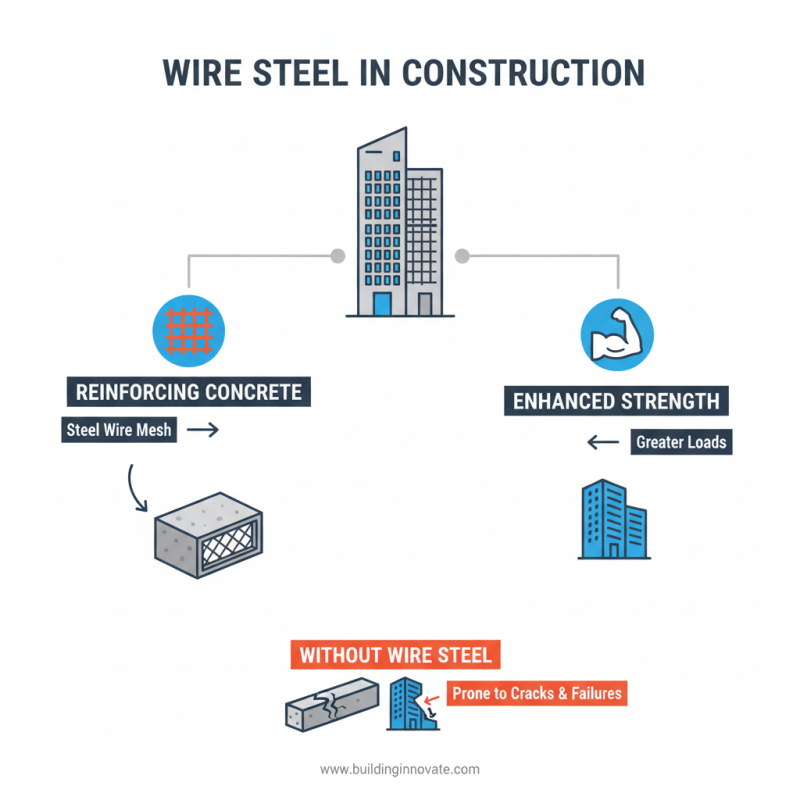
Wire steel plays a significant role in various sectors. In construction, it is widely used for reinforcing concrete structures. Steel wire mesh enhances the strength of concrete, allowing buildings to withstand greater loads. Without this reinforcement, structures could be more prone to cracks and failures.
In industrial practices, wire steel is also used for creating durable fences and hangers. Its strength makes it ideal for supporting heavy equipment and ensuring safety. However, many overlook the importance of quality in wire steel. Poor-quality wire can lead to accidents and increased costs in the long run.
Wire steel’s versatility extends to agricultural applications as well. It is used for farm fencing and crop support systems. Farmers rely on sturdy wire to protect their lands from animals. Yet, the choices made in wire selection require careful consideration. Using subpar materials can diminish productivity and waste resources.
Comparative Analysis: Wire Steel versus Other Building Materials
Wire steel is a critical material in construction and industry, often outperforming alternatives like plastic or wood. Its tensile strength is unmatched, making it ideal for reinforcement in concrete. According to the World Steel Association, wire steel can withstand up to 200,000 psi of tensile load. This high resilience ensures structural integrity and safety.
Comparatively, materials like plastic may not provide the same durability. For instance, studies show plastics in construction often weaken under extreme temperatures. They tend to warp or crack, raising safety concerns. Wood, while renewable, can suffer from rot and insect damage. Wire steel, however, requires less maintenance over time. In fact, research from the International Iron and Steel Institute highlights that steel can have a life span of over 50 years, demonstrating its long-term value.
Despite its benefits, wire steel does come with some drawbacks. Corrosion can be an issue, especially in coastal areas. Proper treatment is essential for longevity. Environmental impacts of steel production also raise questions. The industry is exploring greener methods, but challenges remain. Ultimately, wire steel's strengths often outweigh its weaknesses in many applications.
Importance of Wire Steel in Construction and Industry
This chart compares the strength of wire steel with other commonly used building materials. Wire steel is significantly stronger, making it essential for construction and various industrial applications.
Future Trends and Innovations in Wire Steel Technologies for Construction
In recent years, wire steel technologies have evolved significantly. According to a report by the World Steel Association, the global demand for wire steel is expected to reach 280 million tons by 2025. This rising demand reflects its crucial role in construction and industry.
One notable trend is the development of eco-friendly wire steel. Manufacturers are now focusing on sustainable practices. For instance, some are using recycled materials in production. This not only reduces waste but also lessens the carbon footprint. Innovations like low-alloy wire steel also enhance durability while minimizing resource use.
Another area of advance is smart wire technologies. This involves integrating sensors into wire steel, allowing real-time monitoring of structures. According to a study by the International Journal of Steel Structures, such innovations could reduce maintenance costs by up to 30%. However, the integration of technology raises questions about reliability and long-term effectiveness. The industry must reflect on challenges and potential failures in these new applications, ensuring that innovation doesn’t compromise safety.
Why is Wire Steel Essential in Construction and Industry?
| Application Area |
Wire Steel Type |
Properties |
Future Trends |
| Construction |
High-Strength Wire |
High tensile strength, durability |
Increased use of recycled materials |
| Automotive |
Spring Wire |
Fatigue resistance, flexibility |
Integration of smart materials |
| Manufacturing |
Welding Wire |
Good weldability, corrosion resistance |
Automated welding processes |
| Construction |
Reinforcing Wire |
Tensile strength, load-bearing capability |
Advanced coating technologies |
| Electrical |
Copper-Plated Wire |
High conductivity, low resistance |
Nano-coating innovations |