What is Wire Steel and How is it Used in Construction?
Wire steel plays a crucial role in the construction industry. It is a versatile material used to create strong frameworks and support systems. Made from high-quality steel, wire steel is known for its durability and flexibility. Builders often choose wire steel for its resistance to tension and bending.
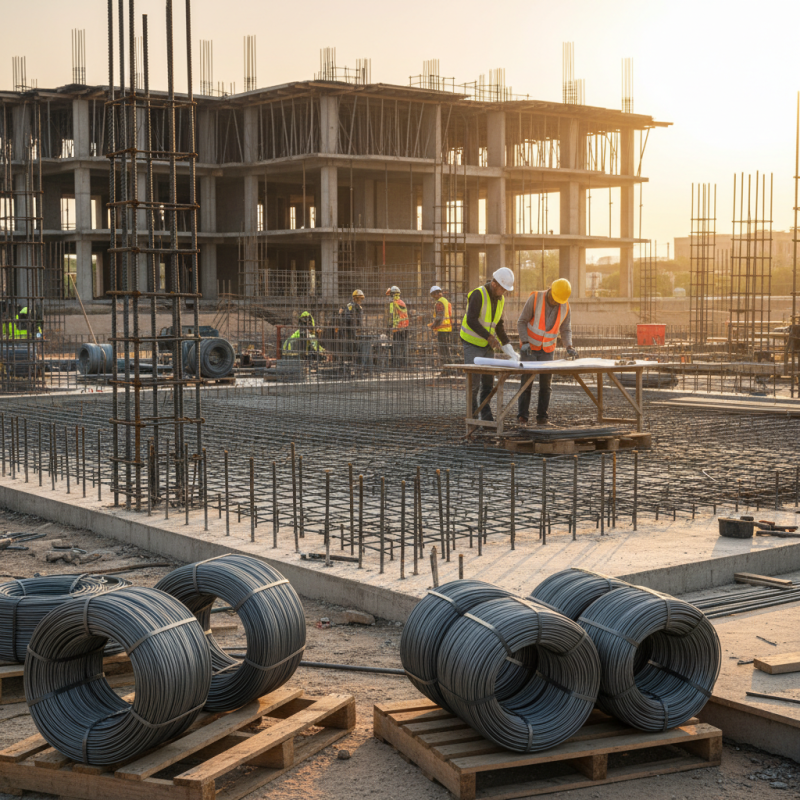
In various applications, wire steel is used in concrete reinforcement and mesh systems. Its lightweight nature makes it easy to handle, yet it provides exceptional strength. However, many builders overlook the importance of proper installation. This can lead to structural weaknesses. Understanding wire steel's properties can prevent costly mistakes.
The use of wire steel is not without challenges. There are standards to follow, and improper use can compromise construction safety. It’s essential to stay informed about best practices. This will ensure that wire steel reaches its full potential in construction projects.
Definition and Composition of Wire Steel
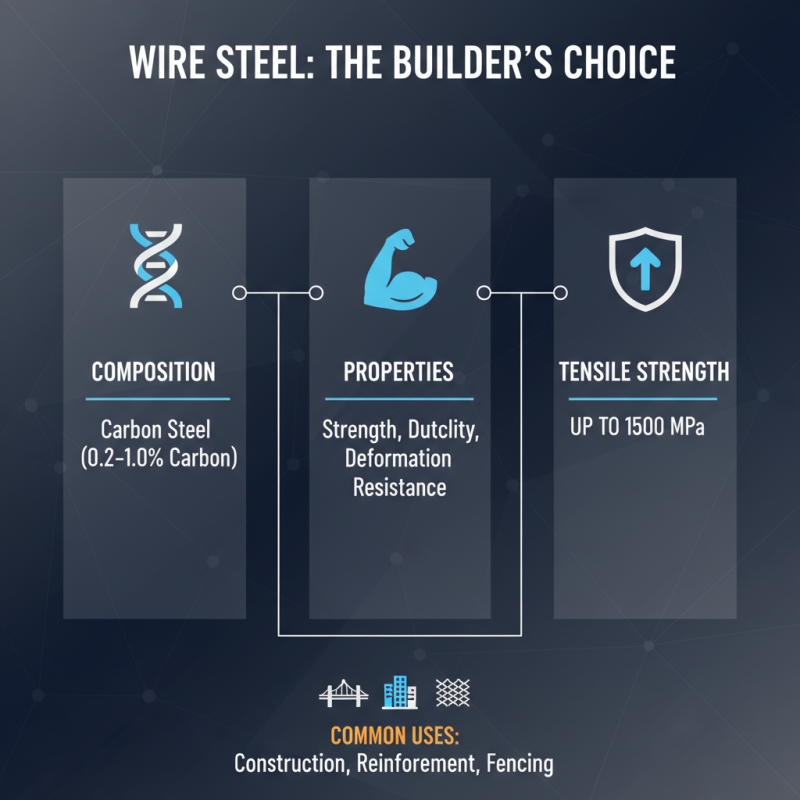
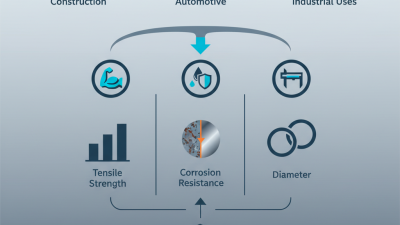
Wire steel is a versatile material commonly used in construction. Its primary composition includes carbon steel with a carbon content typically ranging from 0.2% to 1.0%. This composition provides strength, ductility, and resistance to deformation. The tensile strength of wire steel can reach up to 1,500 MPa, making it an ideal choice for various applications.
In construction, wire steel is used in reinforcing concrete. It enhances the structural integrity of buildings and bridges. The American Concrete Institute highlights that proper reinforcement can increase the lifespan of structures significantly. Additionally, it’s employed in pre-stressed concrete, which allows for thinner slabs and beams. This application not only saves material but also reduces overall costs.
Despite its benefits, wire steel has its limitations. Corrosion can weaken its structure over time. Although coatings can help, they add to the overall costs. Regular inspections are crucial to ensure safety and longevity. Awareness of these drawbacks can help engineers make informed decisions during the design phase. Understanding wire steel's composition and its implications in construction leads to more robust structures and better resource management.
Types of Wire Steel Used in Construction
Wire steel is a crucial component in construction. Various types of wire steel serve different purposes. Understanding these types can enhance structural integrity and safety.
One common type is reinforced wire. This form of wire is often used in concrete structures. It provides additional strength, reducing risks of cracks. Builders typically use it in foundations, beams, and slabs. Another type is stainless wire. This variant resists corrosion, making it suitable for outdoor and marine applications. Construction workers appreciate its durability and longevity.
There’s also tension wire, employed in fencing and support structures. Its high tensile strength makes it effective for retaining walls. However, not all applications require the same type of wire. Choosing the right type is essential. It involves considering factors like load requirements and environmental conditions. This can be overlooked, leading to potential project failures. Adapting to these specifics can be challenging, but necessary for successful construction outcomes.
Applications of Wire Steel in Structural Engineering
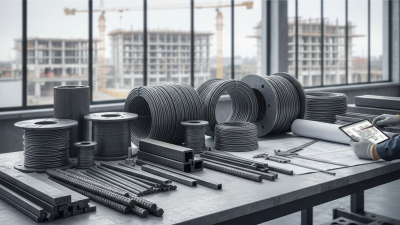
Wire steel plays a crucial role in structural engineering. Its strength and flexibility make it a favorite among engineers. This material is often used in reinforcement bars, suspension cables, and mesh systems. These applications allow for enhanced load-bearing capacities. Builders rely on wire steel to provide stability and support to concrete structures.
One key aspect of using wire steel is its adaptability. It can be shaped into various forms, ensuring it fits different structural needs. However, this adaptability can lead to misuse. Taking shortcuts or underestimating load requirements can compromise safety. It's vital to recalibrate one’s approach when using wire steel.
Tips: Always consult structural experts when determining the specifications for wire steel. Regular inspections can identify potential weaknesses early on. A well-planned project contributes significantly to the successful use of wire steel in any construction endeavor. The focus on minor details can prevent major failures.
Benefits of Using Wire Steel in Construction Projects
Wire steel plays a crucial role in construction projects. Its strength and flexibility make it a preferred choice for reinforcing concrete structures. According to industry reports, wire steel can increase the tensile strength of concrete by up to 200%. This enhancement reduces the risk of structural failure, especially in earthquake-prone areas.
One key benefit is cost efficiency. Wire steel is often more affordable than traditional reinforcement materials. Projects can save up to 15% on material costs by using wire steel. Moreover, it is lightweight, which simplifies transportation and handling on job sites. Keep in mind that improper installation can negate these benefits. Always ensure proper techniques and compliance with safety standards.
Another advantage is the material’s corrosion resistance. When treated correctly, wire steel can withstand harsh environments. This durability extends the lifespan of structures. However, it’s essential to regularly inspect wire steel elements to detect any signs of wear. Maintenance is crucial for long-term performance. When using wire steel, consider these aspects carefully. Effective and consistent inspections are necessary for optimal outcomes.
Installation and Maintenance of Wire Steel Solutions
The installation of wire steel solutions is crucial in construction. Proper installation ensures durability and structural integrity. Workers must carefully assess the requirements of each project. This includes determining the right type of wire steel to use. Missteps during this phase can lead to significant setbacks.
Consideration needs to be given to the environment. Factors like moisture and soil conditions affect wire steel performance. Regular inspections during the installation are vital. They can catch issues early on, preventing future problems. It’s important to double-check alignment and tension. These elements impact the overall strength of the structure.
Maintenance of wire steel involves routine checks and repairs. Over time, wear and tear can occur. This can compromise safety. It’s essential to monitor for corrosion or deterioration. Replacements may be necessary, which can be overlooked.
Establishing a maintenance schedule can help. Keeping a record of inspections provides insight into the material’s condition. This proactive approach leads to safer and more effective construction projects.